DISCOVER CHENGDU
Why visit Chengdu?
Chengdu offers an unusually balanced travel experience.
You can come here for:
Giant pandas
Authentic Sichuan cuisine
Traditional teahouse culture
Relaxed local neighborhoods
Sichuan opera and face-changing performances
Historic temples and cultural sites
Dujiangyan
Mount Qingcheng
Easy access to other destinations across Sichuan
Unlike destinations built around a single major attraction, Chengdu rewards travelers who leave time simply to experience the city.
A morning in a park or an afternoon in a teahouse can be just as memorable as visiting a famous landmark.
Top Attractions & Experiences in Chengdu
1. See the Giant Pandas
For many international visitors, seeing giant pandas is the reason Chengdu first appears on their China itinerary.
Chengdu and the surrounding region are closely associated with giant panda conservation and research.
Visitors can observe pandas eating bamboo, climbing, resting and interacting with their environment.
When Should You Visit?
Morning is generally a good time to plan a panda visit.
Pandas may be more active during cooler parts of the day, although animal behavior can never be guaranteed.
Arriving earlier can also give you more time to explore before the busiest part of the day.
Rather than treating the pandas as a quick photo stop, allow enough time to enjoy the experience at a comfortable pace.

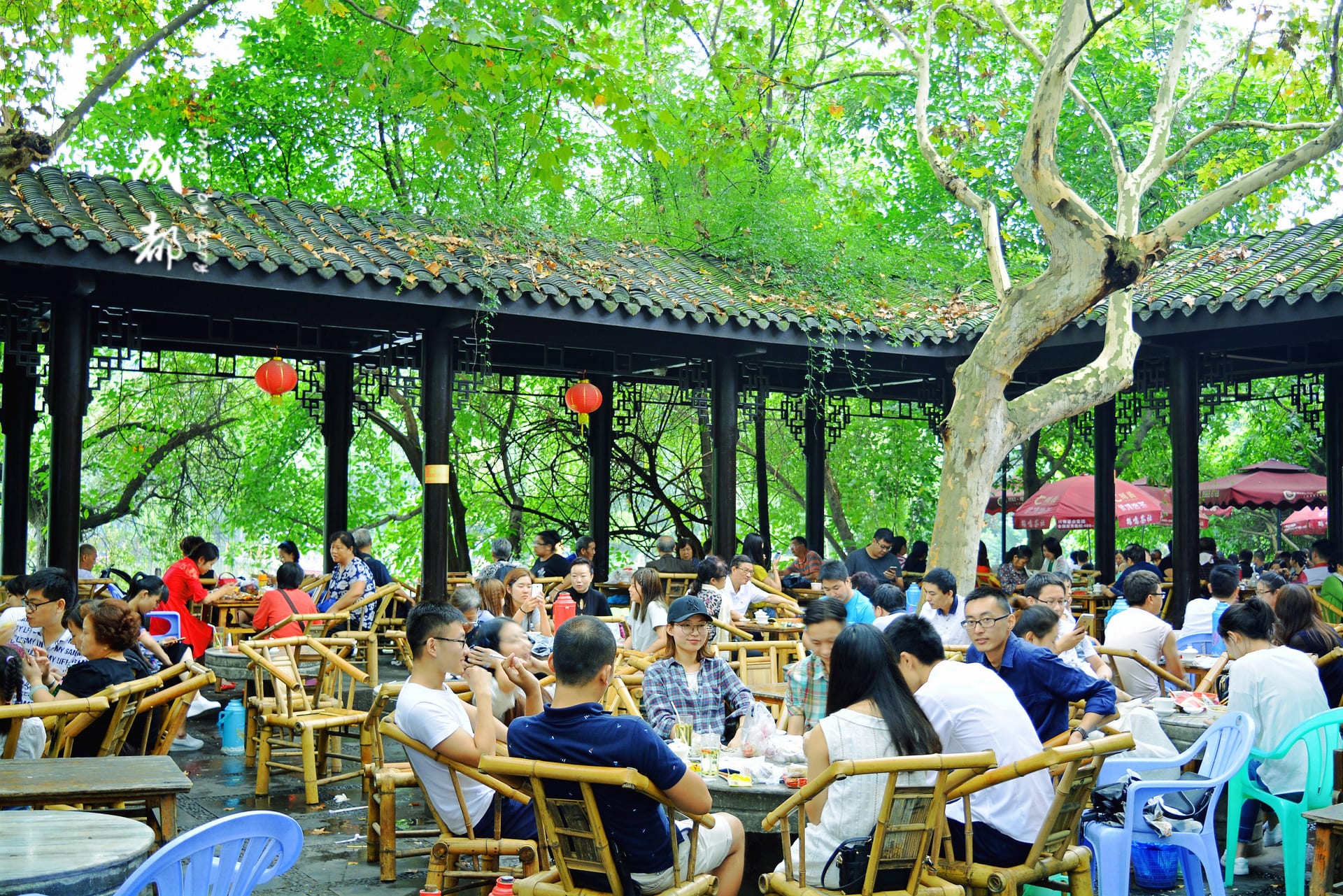
2. People's Park
If you want to understand Chengdu beyond its famous attractions, visit People's Park.
This is where you can see a more everyday side of the city.
Local residents come here to:
Drink tea
Meet friends
Play traditional games
Exercise
Relax beneath the trees
Spend time with family
One of the best experiences is simply sitting in a traditional teahouse with a cup of tea and watching daily life unfold around you.
It may not be Chengdu's most dramatic attraction, but it can become one of the most memorable.
3. Kuanzhai Alley
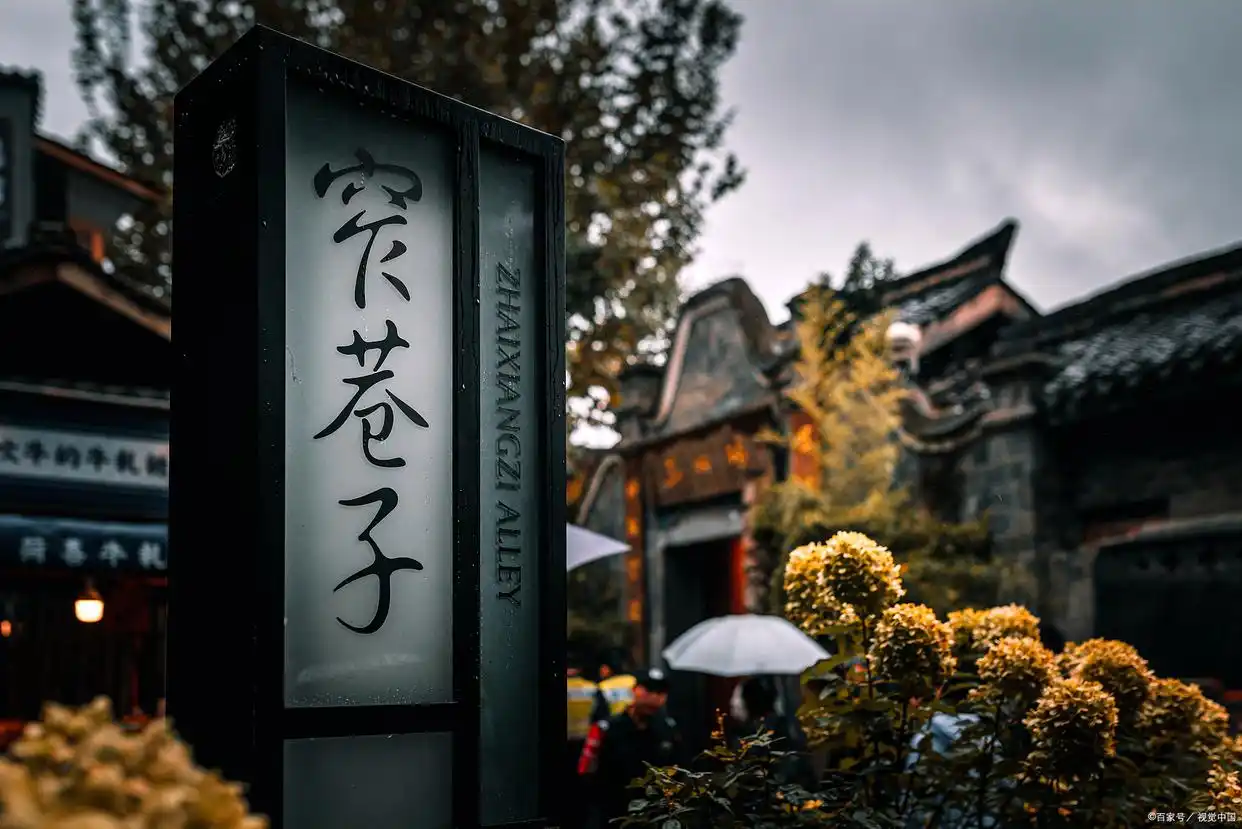
Kuanzhai Alley, or Wide and Narrow Alleys, is one of Chengdu's best-known historic districts.
The area combines traditional-style architecture with teahouses, restaurants, shops and cultural spaces.
It can become busy, particularly during holidays and weekends, but it provides an accessible introduction to Chengdu's architectural and cultural character.
For a more local experience, combine Kuanzhai Alley with quieter surrounding neighborhoods rather than spending the entire visit on the main pedestrian streets.
4. Wuhou Shrine & Jinli
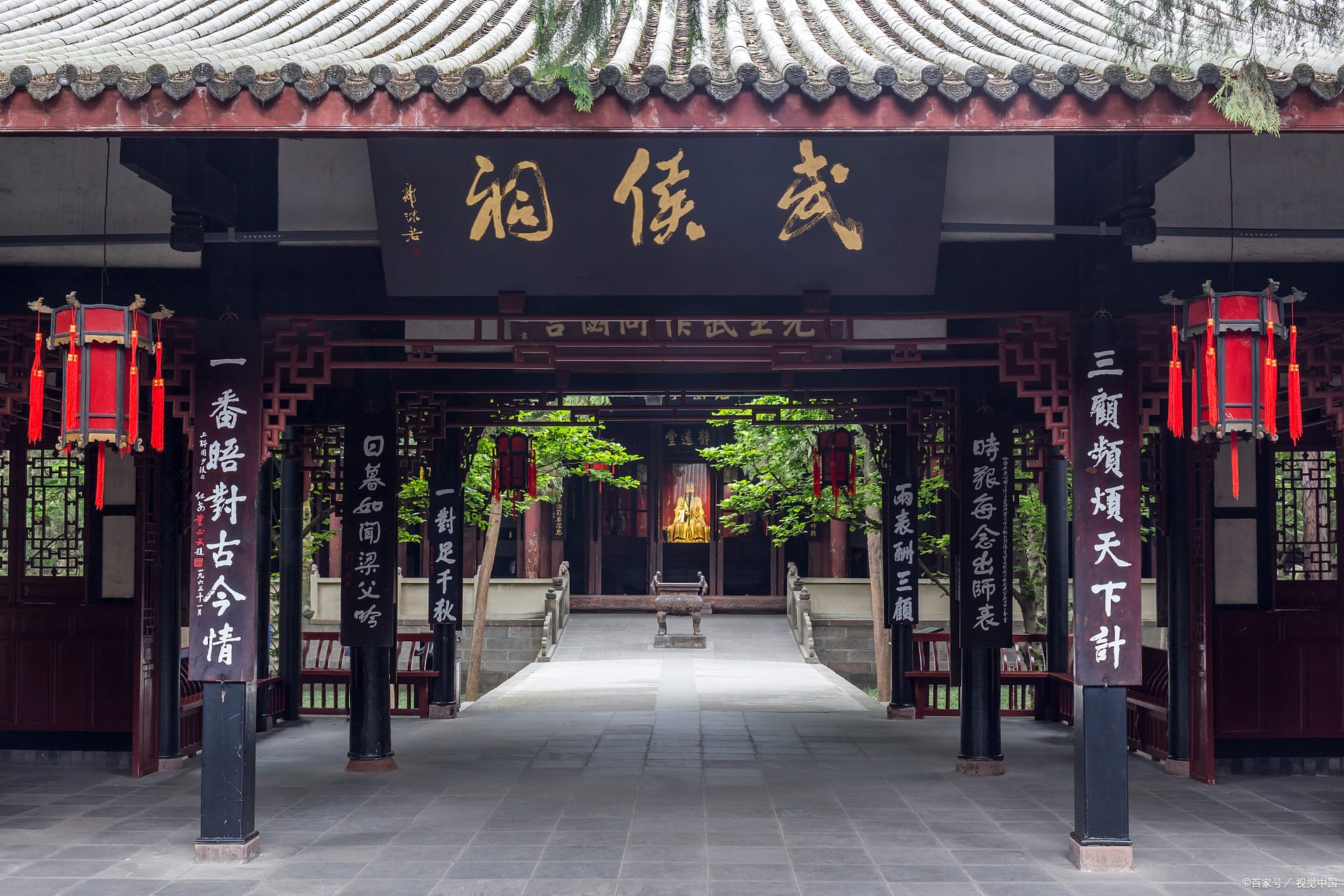
Wuhou Shrine is closely associated with the history of the Three Kingdoms period and is one of Chengdu's most important cultural sites.
For travelers interested in Chinese history, visiting with some background knowledge—or with a knowledgeable guide—can make the experience much more meaningful.
Nearby Jinli offers traditional-style architecture, snacks, shops and an atmospheric pedestrian environment.
The two areas can easily be combined into one visit.
Sichuan Cuisine
One of the World's Great Food Cultures
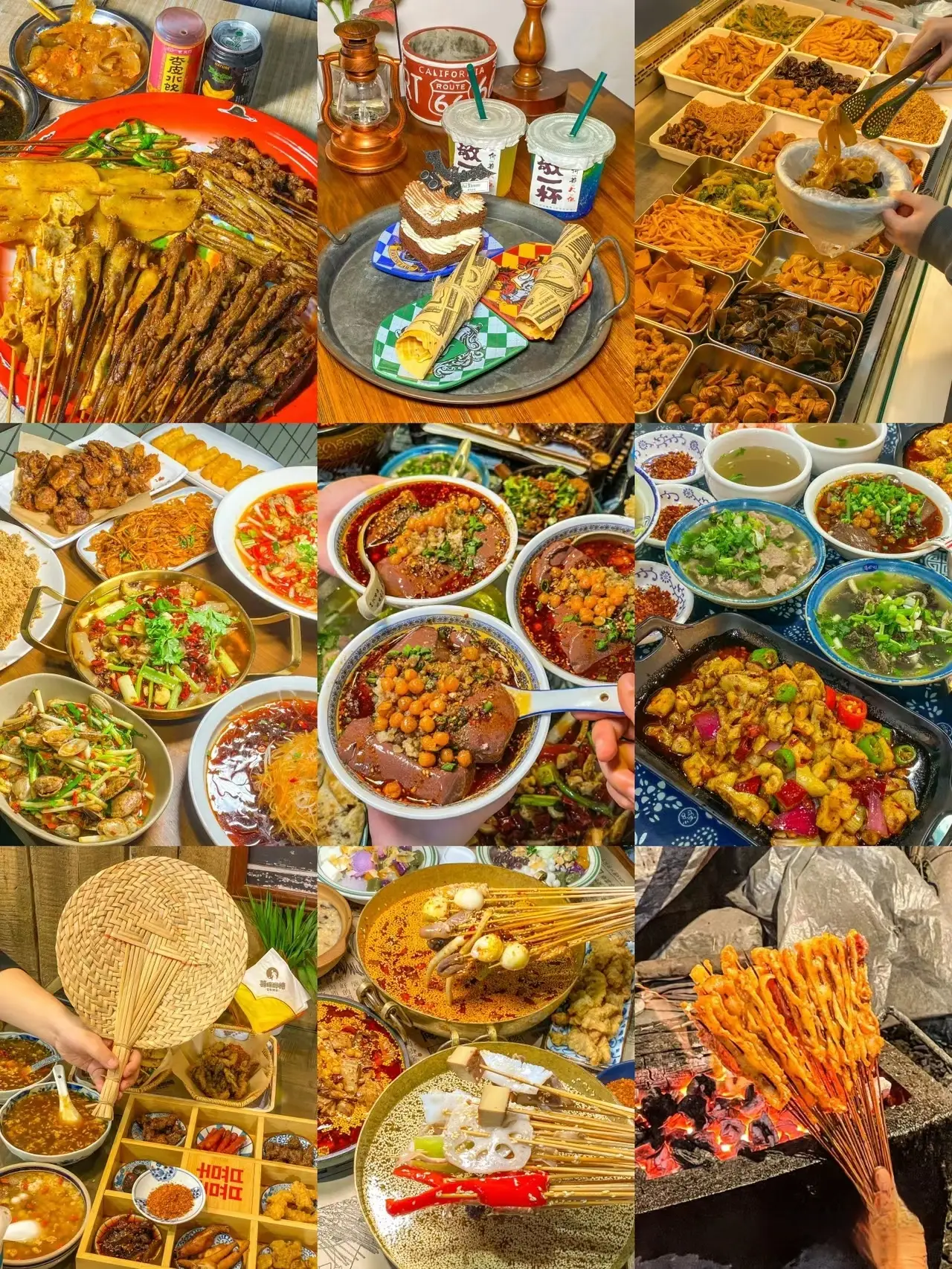
Chengdu is one of China's great food destinations.
Sichuan cuisine is famous internationally for bold flavors, chili and the distinctive numbing sensation of Sichuan peppercorn.
But describing Sichuan food as simply “very spicy” misses much of its complexity.
Sichuan cooking combines spicy, numbing, aromatic, savory, sweet and sour flavors in many different ways.
Foods worth trying include:
Sichuan Hot Pot
A social dining experience where ingredients are cooked at the table in richly seasoned broth.
Mapo Tofu
One of Sichuan's most famous dishes, combining tofu with a deeply savory and spicy sauce.
Kung Pao Chicken
A dish that has become famous internationally but is worth experiencing in its Sichuan context.
Dan Dan Noodles
A classic noodle dish known for its rich, aromatic and spicy flavors.
Long Chao Shou
Chengdu-style wontons that can be served in different broths or sauces.
Chuan Chuan
Skewered ingredients cooked in a hot pot-style broth, popular for casual local dining.
Food should not be treated as something you fit between attractions in Chengdu.
Food is one of the attractions.
Chengdu Teahouse Culture
To understand Chengdu's personality, spend some time in a teahouse.
Tea culture here is not only about the tea itself.
It is about slowing down.
People sit beneath trees, talk with friends, play games, read, watch the world go by and spend long afternoons without rushing.
For travelers coming from fast-paced cities, this can reveal a completely different side of urban China.
A traditional teahouse experience pairs especially well with a visit to People's Park.
Sichuan Opera & Face-Changing
One of Chengdu's most recognizable cultural experiences is Sichuan Opera, particularly the famous art of face-changing.
Performers rapidly switch between brightly colored masks in a theatrical technique that has fascinated audiences for generations.
Depending on the performance, visitors may also experience music, comedy, traditional costumes and other elements of Sichuan performing arts.
For first-time international visitors, an evening performance can provide an entertaining introduction to local culture.
Dujiangyan
An Ancient Engineering Wonder
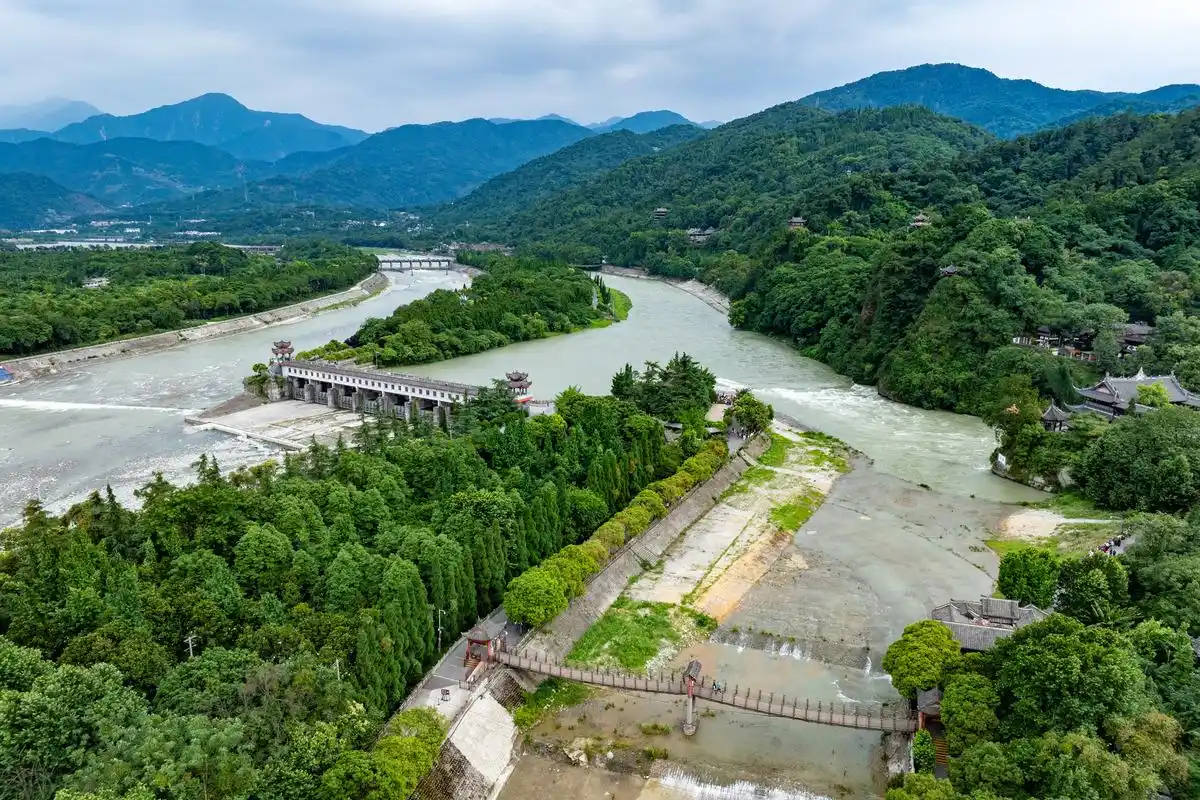
About a day trip from central Chengdu, Dujiangyan offers one of the most fascinating historical experiences in Sichuan.
The ancient irrigation system was developed more than two thousand years ago and transformed water management across the Chengdu Plain.
What makes Dujiangyan remarkable is that it is not simply an archaeological monument.
The water-management system has continued to influence the region for centuries.
Visiting Dujiangyan allows travelers to see a different side of ancient Chinese civilization—one based not on imperial palaces or armies, but on engineering, agriculture and the relationship between people and nature.
It makes an excellent day trip from Chengdu.
Mount Qingcheng
Mountains, Forests and Taoist Culture
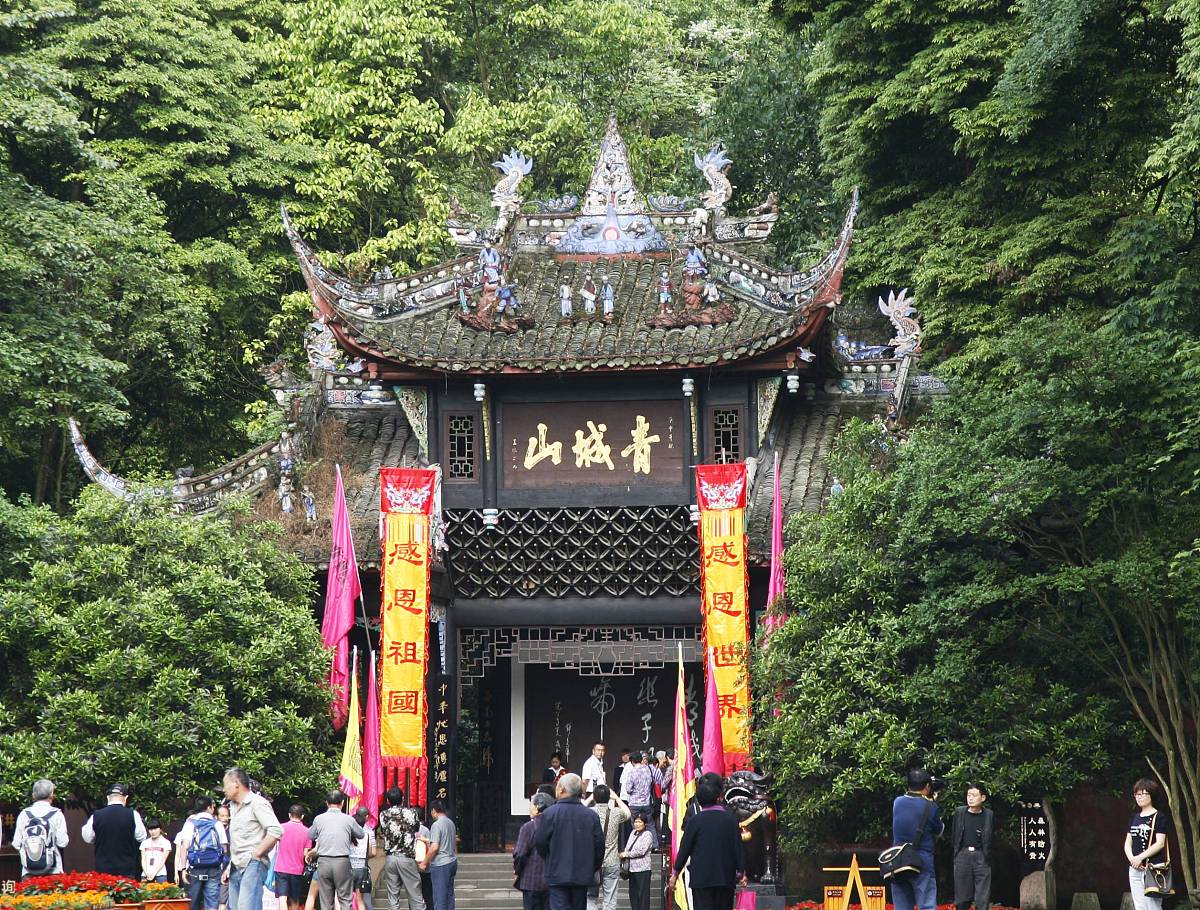
Mount Qingcheng offers another side of the Chengdu region.
Known for its green forests, mountain paths, temples and association with Taoist culture, it provides a peaceful contrast to the city.
Walking through the mountain landscape allows visitors to experience traditional religious architecture surrounded by dense vegetation.
Dujiangyan and Mount Qingcheng can often be incorporated into the same broader itinerary, although travelers who prefer a slower pace may want to give each area more time.
How Many Days Do You Need in Chengdu?
For most first-time visitors, 4–5 days provides a comfortable introduction to Chengdu and its surroundings.
Suggested 5-Day Chengdu Itinerary
Day 1 — Arrive in Chengdu
Hotel check-in → Explore the neighborhood → Sichuan dinner
Day 2 — Pandas & Local Life
Giant panda experience → People's Park → Traditional teahouse → Kuanzhai Alley
Day 3 — History & Culture
Wuhou Shrine → Jinli → Sichuan cuisine → Sichuan Opera or face-changing performance
Day 4 — Dujiangyan & Mount Qingcheng
Explore the ancient irrigation system → Experience mountain scenery and Taoist culture
Day 5 — Slow Chengdu
Local neighborhoods → Food experience → Final sightseeing → Departure or continue to your next destination
If you only have two or three days, prioritize the pandas, local food, teahouse culture and central Chengdu.
With additional time, Chengdu also becomes an excellent base for exploring more of Sichuan.
Best Time to Visit Chengdu
Chengdu can be visited throughout the year.
Spring — March to May
Spring is generally pleasant for city sightseeing and outdoor activities.
Green landscapes also make this a good period for exploring the surrounding region.
Summer — June to August
Summer is warm and humid.
This is also a busy travel period, particularly during school holidays.
Autumn — September to November
Autumn is one of the most popular times to visit Chengdu.
Temperatures are often comfortable for walking and day trips.
Winter — December to February
Winter is cooler and can feel damp.
However, hot pot, teahouses and indoor cultural experiences make Chengdu an enjoyable winter destination as well.
For many first-time visitors, spring and autumn offer particularly comfortable conditions.
How to Get to Chengdu
Chengdu is one of the major transportation hubs of western China.
The city is connected by air and high-speed rail with many destinations across the country.
International and domestic flights serve the Chengdu region, while China's extensive high-speed rail network makes the city easy to include in a multi-destination itinerary.
Popular travel combinations include:
Xi'an → Chengdu
Chengdu → Chongqing
Chengdu can also be connected with:
Beijing
Shanghai
Chongqing
Xi'an
Zhangjiajie
Yunnan
Other destinations across Sichuan
For travelers exploring Southwest China, Chengdu is often one of the most useful gateway cities.
Chengdu Travel Tips
Visit the Pandas Early
Morning can be a good time for a panda visit, particularly during warmer periods.
Allow enough time rather than trying to rush through the experience.
Don't Over-Schedule Your Day
Part of Chengdu's appeal is its slower rhythm.
Leave space for a teahouse, a long lunch or simply walking through a neighborhood.
Tell Restaurants Your Spice Preference
Sichuan food can be intensely spicy and numbing.
If you prefer milder flavors, communicate this clearly when ordering.
Explore Beyond the Famous Streets
Kuanzhai Alley and Jinli are popular introductions to the city, but everyday neighborhoods can offer a more relaxed glimpse of local life.
Use Chengdu as a Gateway
If your schedule allows, consider extending the journey beyond central Chengdu.
Dujiangyan, Mount Qingcheng and other destinations across Sichuan can add nature, history and cultural depth to your trip.
Chengdu + Chongqing
Two Sides of Southwest China
Chengdu and Chongqing make one of the best city combinations in Southwest China.
They are relatively easy to connect, but their personalities feel very different.
Chengdu
Think:
Giant pandas
Teahouses
Sichuan cuisine
Relaxed neighborhoods
Traditional culture
Dujiangyan and Mount Qingcheng
Chongqing
Think:
Mountain-city architecture
Dramatic night views
Yangtze River scenery
Chongqing hot pot
Layered urban landscapes
Wulong Karst
Together, the two cities provide a much richer introduction to Southwest China than visiting either destination alone.
A longer journey could follow:
Xi'an → Chengdu → Chongqing
or:
Chengdu → Chongqing → Zhangjiajie
Chengdu — Gateway to Sichuan
Chengdu is not only a destination.
It is also the gateway to one of China's most geographically and culturally diverse provinces.
Depending on your available time and interests, a longer Sichuan journey may include destinations such as:
Dujiangyan
Mount Qingcheng
Leshan
Mount Emei
Jiuzhaigou
Other mountain and cultural regions across Sichuan
This makes Chengdu particularly suitable for travelers who want to combine city life, food, history and nature within one journey.
Plan Your Chengdu Journey
Chengdu is not a city that needs to be rushed.
Its charm often appears in the moments between the major attractions—a cup of tea beneath the trees, the aroma of Sichuan peppercorn drifting from a restaurant, a quiet temple courtyard, a lively neighborhood or a table shared over hot pot.
Of course, you should see the giant pandas.
But give Chengdu enough time, and you may discover that the pandas are only the beginning.
SEEK CHINA TRAVEL (SCT) creates customized China journeys for international visitors, including private and small-group travel, professional local guides, transportation, accommodation and multi-destination itinerary planning.
Whether Chengdu is your main destination or part of a longer journey through Xi'an, Chongqing, Zhangjiajie, Yunnan, Beijing or Shanghai, we can help design an itinerary around your travel dates, interests and preferred pace.
Discover Chengdu. Slow down and experience a different side of China.