DISCOVER CHONGQING
Why visit Chongqing?
Chongqing offers a combination that is difficult to find elsewhere in China:
Dramatic mountain-city architecture
Spectacular night views
Yangtze and Jialing river scenery
Famous Chongqing hot pot
Traditional neighborhoods and local street life
Unique urban transportation
Wulong's extraordinary karst landscapes
Easy connections with Chengdu and other destinations in Southwest China
Unlike cities where the attractions are concentrated around individual monuments, Chongqing itself is part of the experience.
Walking through the city can feel like exploring a giant three-dimensional maze.
Top Attractions in Chongqing
1. Hongya Cave
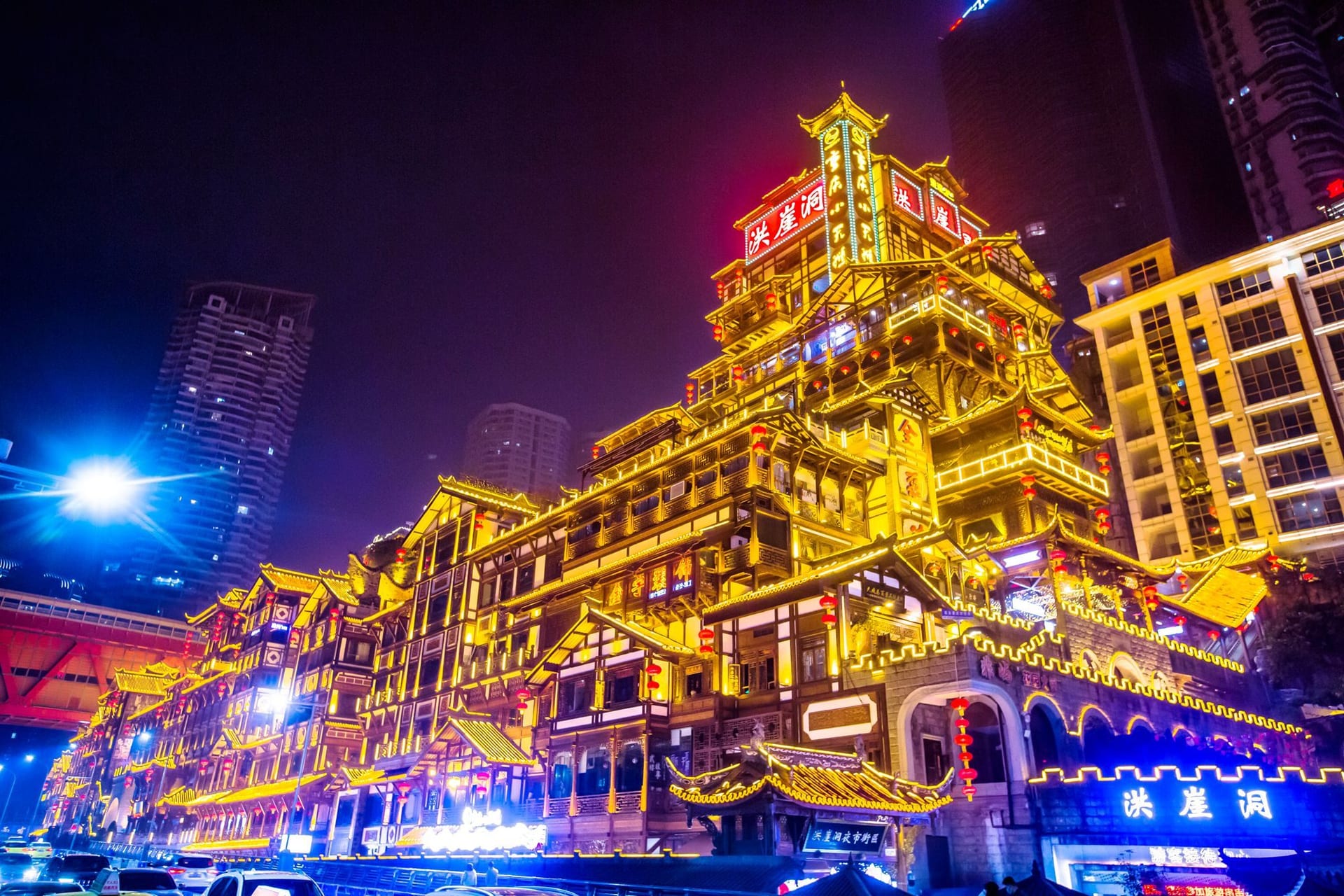
Hongya Cave is one of Chongqing's most recognizable landmarks.
Built along a steep hillside beside the Jialing River, the complex features layers of traditional-style architecture filled with restaurants, shops and viewing areas.
During the day, visitors can explore the different levels and surrounding streets.
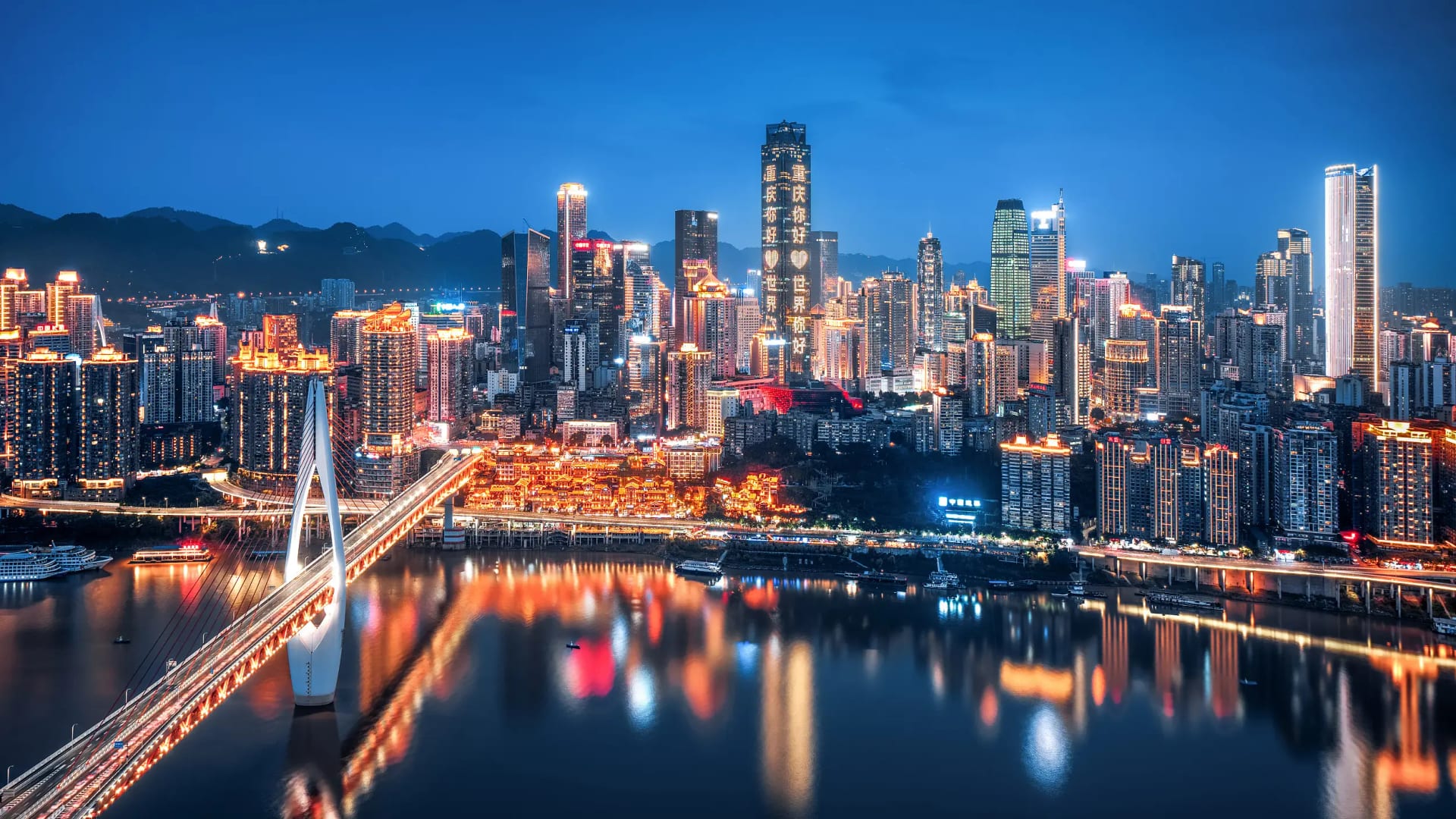
But Hongya Cave becomes particularly impressive after dark.
When the buildings are illuminated and the city lights reflect across the river, the entire area creates one of Chongqing's most iconic nighttime scenes.
For photography, it is often worth viewing Hongya Cave both from inside the complex and from across the surrounding roads or riverfront areas.
2. Jiefangbei
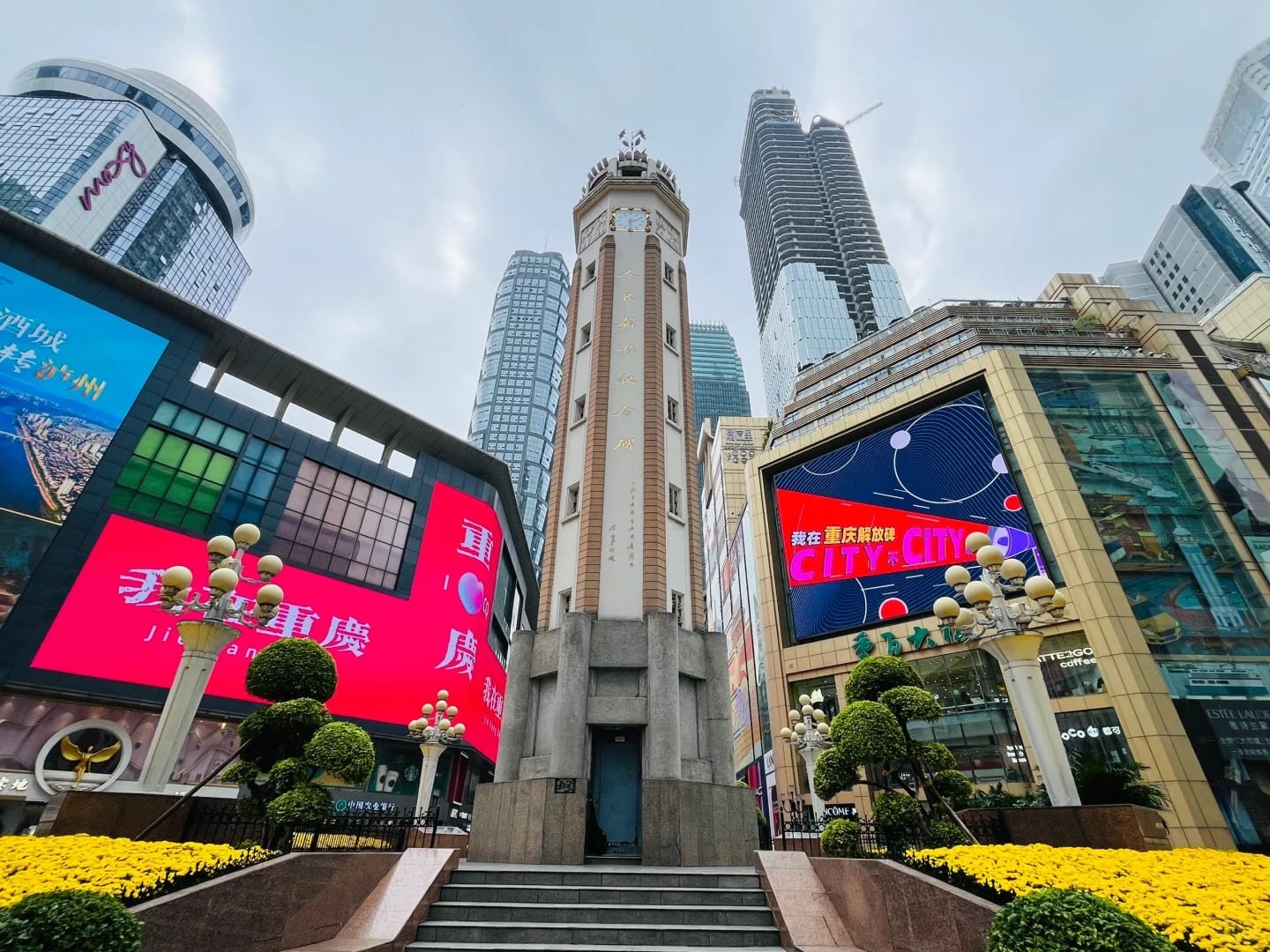
Jiefangbei is one of the central landmarks of downtown Chongqing.
The surrounding pedestrian district is filled with shopping malls, restaurants, cafés and busy city streets.
It provides an interesting contrast to Chongqing's older neighborhoods.
Within a relatively short distance, you can move between modern skyscrapers, historic streets, river viewpoints and Hongya Cave.
For first-time visitors, Jiefangbei is a convenient starting point for exploring central Chongqing.
3. Liziba Monorail Station
Few urban transportation experiences are as closely associated with Chongqing as Liziba Monorail Station.
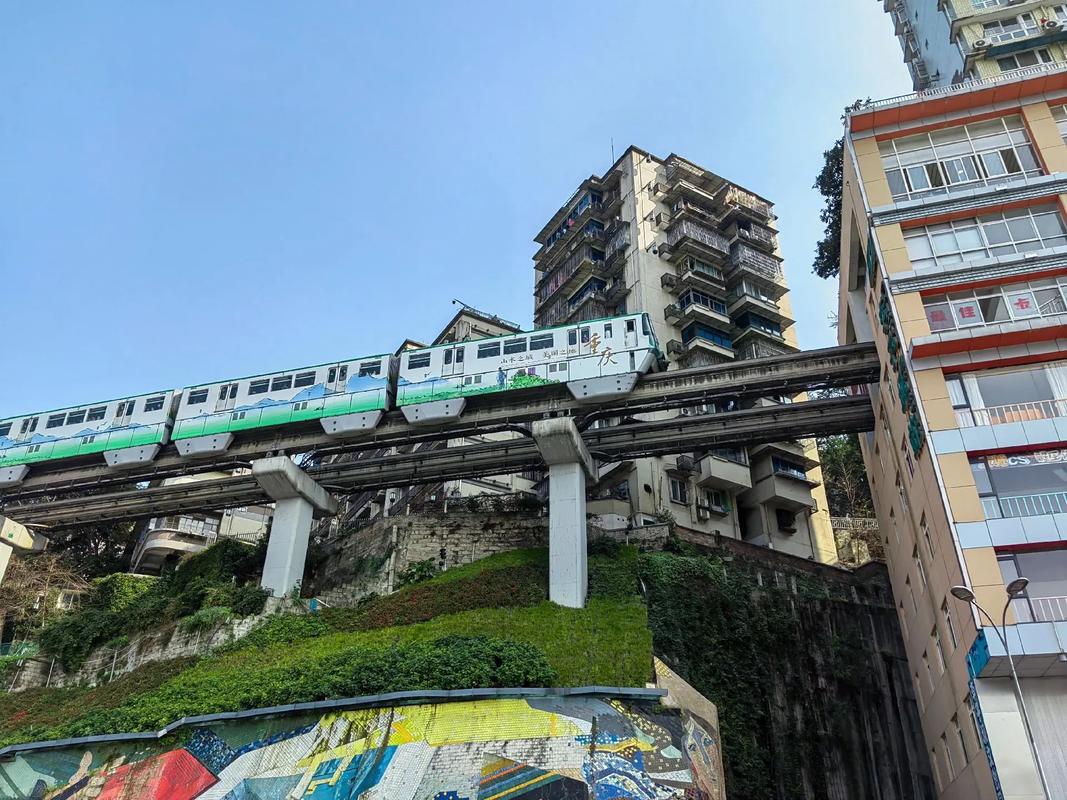
The station became internationally famous because trains appear to pass directly through a high-rise building.
Rather than being simply a visual novelty, Liziba represents the extraordinary way Chongqing's transportation infrastructure has adapted to the city's mountainous geography.
A designated viewing area allows visitors to watch the trains enter and leave the building.
It is one of the best places to understand why Chongqing has become known for its unusual three-dimensional urban design.
4. Yangtze River Cableway
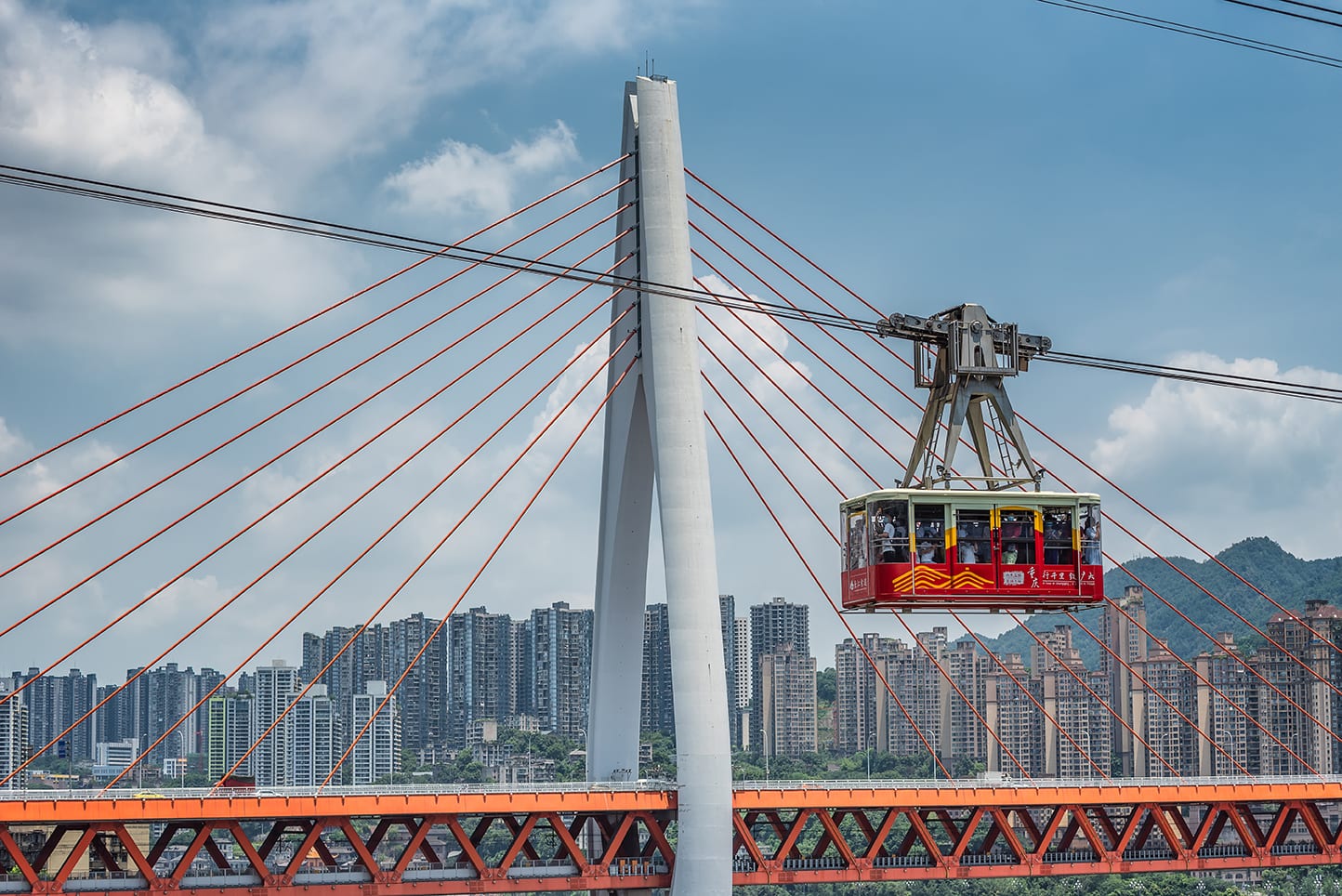
The Yangtze River Cableway offers another perspective on Chongqing.
Originally developed as part of the city's transportation system, the cableway has become a popular visitor experience.
As the cable car crosses the Yangtze River, you can look across Chongqing's high-rise buildings, bridges, steep hillsides and riverbanks.
The experience is relatively short, but it provides an excellent introduction to the geography of the city.
Chongqing at Night
Chongqing is one of those cities that should be experienced both during the day and after sunset.
At night, skyscrapers, bridges, hillside buildings and riverfront districts are illuminated across multiple levels of the city.
Popular nighttime experiences include:
Hongya Cave
Jiefangbei
Riverfront walks
Yangtze and Jialing river views
City viewpoints
Evening cruises
Because Chongqing is built around rivers and mountains, the lights appear at different elevations rather than across a flat skyline.
This gives the city a dramatic nighttime atmosphere that has become one of its defining travel experiences.
Ciqikou Ancient Town
For a different side of Chongqing, visit Ciqikou Ancient Town.
The historic neighborhood developed along the Jialing River and is known for traditional architecture, narrow lanes, local snacks, teahouses and small shops.
Today, the busiest streets can be lively and tourist-oriented, but walking away from the main routes can reveal quieter corners and a more relaxed atmosphere.
Ciqikou offers an interesting contrast to Chongqing's skyscrapers and futuristic transportation.
Chongqing Hot Pot & Local Food
You cannot properly experience Chongqing without talking about food.
The city is famous throughout China for its bold, spicy cuisine.
Chongqing Hot Pot
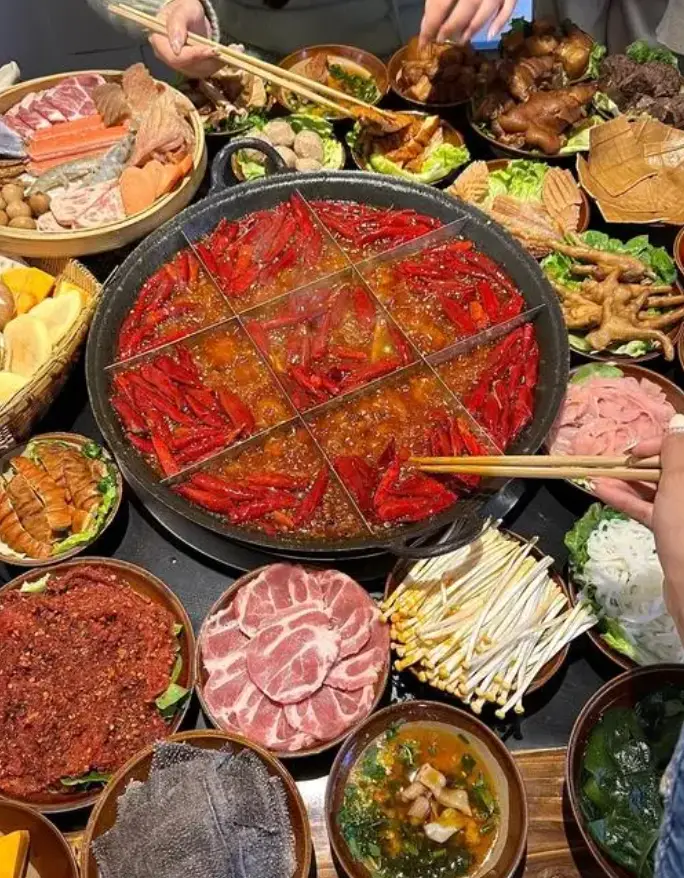
The most iconic experience is Chongqing hot pot.
A bubbling pot of richly seasoned broth sits in the center of the table while diners cook meat, vegetables, tofu and other ingredients themselves.
Traditional Chongqing hot pot can be extremely spicy.
If you are not accustomed to spicy food, ask for a milder option rather than trying to prove how much chili you can handle.
Other local foods worth trying include:
Chongqing Xiaomian — spicy local noodles
Chuan Chuan — skewered ingredients cooked in spicy broth
Suan La Fen — hot and sour sweet-potato noodles
Jianghu-style dishes
Local street snacks
Food is not simply an addition to a Chongqing itinerary.
It is one of the best ways to understand the personality of the city.
Wulong — Beyond the City
One of the biggest mistakes first-time visitors can make is assuming that Chongqing is only an urban destination.
Travel beyond the city and the landscape changes dramatically.
Wulong is famous for its karst formations, mountains, gorges and enormous natural bridges.
The area's karst landscape forms part of the UNESCO-listed South China Karst.
For travelers interested in nature, adding Wulong creates a completely different experience from central Chongqing.
Three Natural Bridges
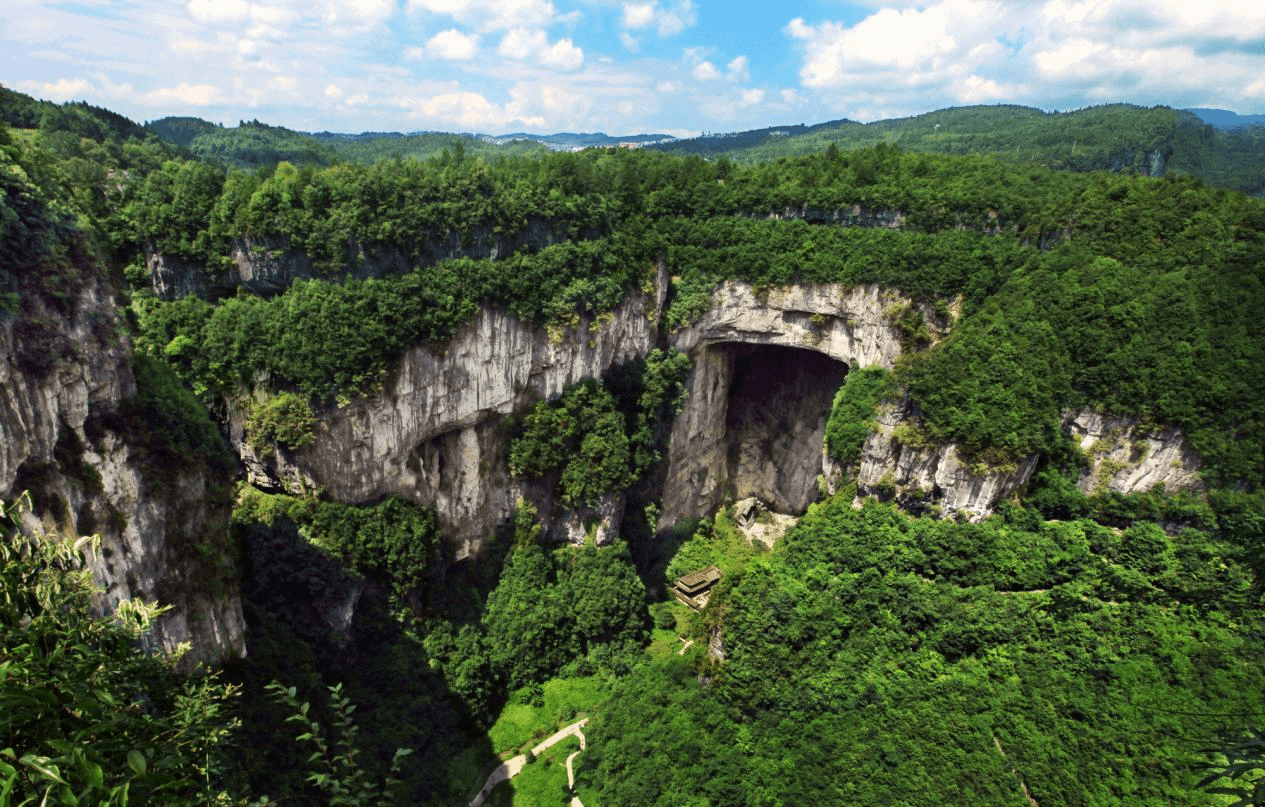
The Three Natural Bridges are among the most spectacular natural attractions in the Chongqing region.
Massive limestone formations rise above deep valleys, creating enormous natural arches surrounded by cliffs, vegetation and narrow pathways.
Visitors descend into the valley and walk beneath these giant rock formations.
The scale is difficult to appreciate from photographs alone.
The area also gained international attention after appearing as a filming location in Transformers: Age of Extinction.
For many visitors, Three Natural Bridges is the highlight of a trip to Wulong.
Fairy Mountain
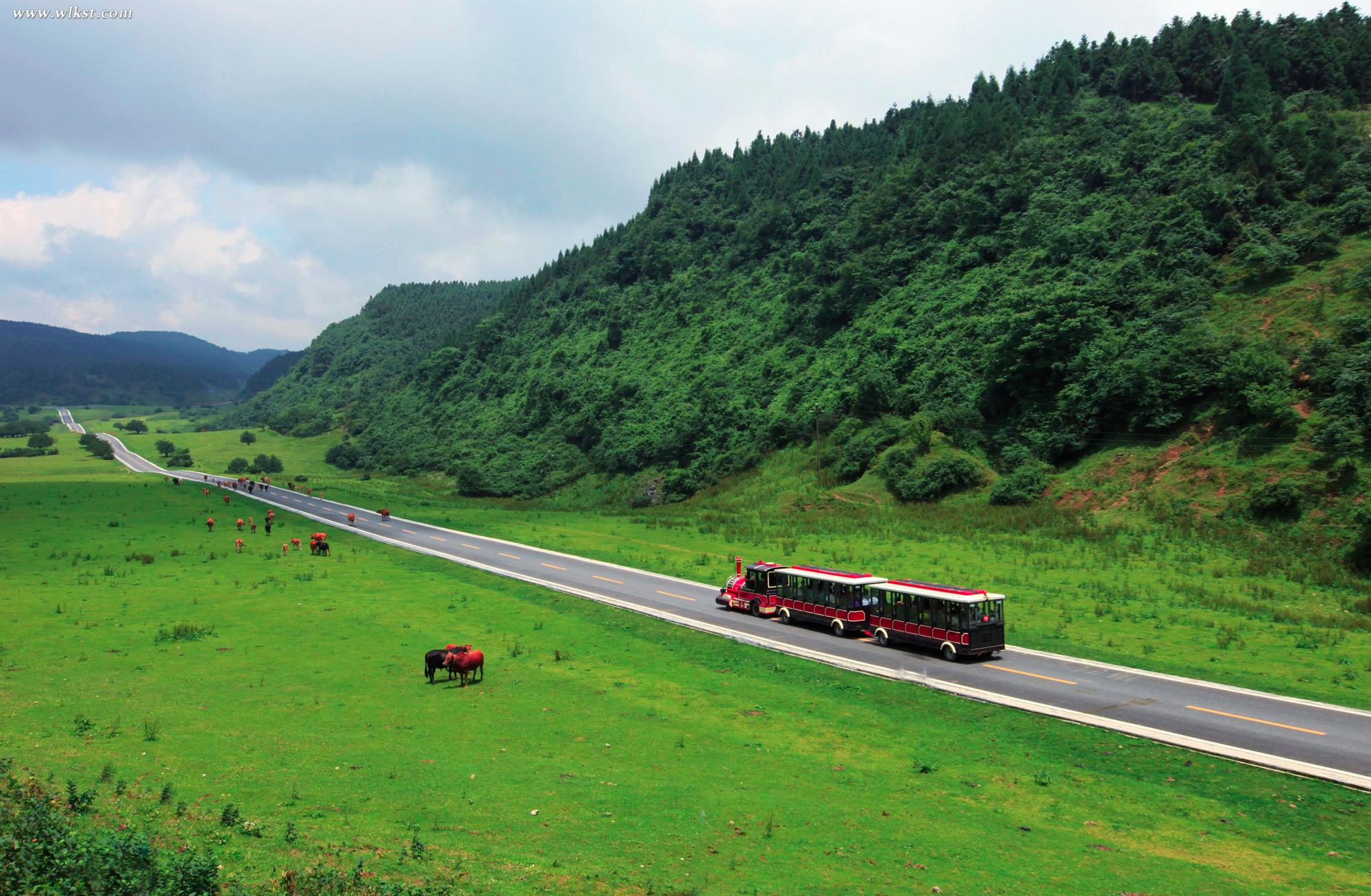
Fairy Mountain offers a completely different landscape.
Known for its forests, grasslands and open mountain scenery, it provides a refreshing contrast to both downtown Chongqing and Wulong's dramatic limestone formations.
The scenery changes significantly with the seasons.
In warmer months, visitors come for green landscapes and cooler mountain temperatures, while winter can bring a very different atmosphere.
Combining Fairy Mountain with the Three Natural Bridges allows travelers to experience more of Wulong's natural diversity.
How Many Days Do You Need in Chongqing?
For most first-time visitors, 4–5 days is a good amount of time.
This allows you to experience both central Chongqing and Wulong without rushing.
Suggested 5-Day Chongqing Itinerary
Day 1 — Arrive in Chongqing
Hotel check-in → Jiefangbei → Hongya Cave → Chongqing night views
Day 2 — Explore the Mountain City
Liziba Monorail → local neighborhoods → Yangtze River Cableway → Chongqing hot pot
Day 3 — Traditional Chongqing
Ciqikou Ancient Town → local food → riverfront areas → evening city experience
Day 4 — Wulong
Travel to Wulong → Three Natural Bridges → mountain scenery → overnight in Wulong or return depending on your itinerary
Day 5 — Nature or Departure
Fairy Mountain or additional Chongqing exploration → departure or continue to your next destination
If you only have two or three days, focus on central Chongqing.
If you want to include Wulong comfortably, allow at least one additional full day.
Best Time to Visit Chongqing
Chongqing can be visited throughout the year, but each season offers a different experience.
Spring — March to May
Spring is a popular time for sightseeing, with generally comfortable temperatures and green landscapes.
Summer — June to August
Chongqing is famous for hot and humid summers.
If you visit during this period, plan outdoor sightseeing carefully and take breaks during the hottest parts of the day.
Autumn — September to November
Autumn is another popular period for exploring both the city and surrounding natural areas.
Temperatures are often more comfortable for walking.
Winter — December to February
Winter is generally cooler and can feel damp.
However, Chongqing's hot pot, illuminated night views and misty mountain-city atmosphere can make winter travel surprisingly atmospheric.
For many first-time visitors, spring and autumn offer the most comfortable conditions.
How to Get to Chongqing
Chongqing is one of Southwest China's major transportation hubs.
The city can be reached by:
International and domestic flights
High-speed rail
Long-distance rail connections
Chongqing Jiangbei International Airport connects the city with destinations across China and selected international markets.
China's high-speed rail network also makes Chongqing easy to combine with other major destinations.
One of the most convenient combinations is:
Chengdu → Chongqing
The two cities are geographically close but offer very different experiences.
Chongqing can also be combined with:
Xi'an
Zhangjiajie
Guilin
Guizhou
Beijing
Shanghai
This makes the city particularly useful as part of a longer Southwest China itinerary.
Chongqing Travel Tips
Wear Comfortable Shoes
Chongqing is built on hills.
Expect stairs, slopes and changes in elevation throughout the city.
Comfortable walking shoes are essential.
Don't Trust Distance Alone
A destination may look close on a map but require more time than expected because of Chongqing's vertical geography.
Two places that appear to be on the same street may actually be on completely different levels.
Explore the City After Dark
Some of Chongqing's most memorable scenery appears after sunset.
Leave room in your itinerary for evening walks and viewpoints.
Be Careful with Spicy Food
Traditional Chongqing cuisine can be very spicy.
If you have a low tolerance for chili, tell the restaurant before ordering.
Allow Enough Time for Wulong
Wulong should not be treated as a quick stop between downtown attractions.
The journey and natural areas deserve enough time to be enjoyed properly.
Chongqing + Chengdu
Explore Two Sides of Southwest China
Chongqing and Chengdu make one of the most natural city combinations in Southwest China.
Chengdu is known for:
Giant pandas
Teahouse culture
Sichuan cuisine
Relaxed local lifestyle
Dujiangyan and Mount Qingcheng
Chongqing offers:
Mountain-city landscapes
Dramatic night views
Chongqing hot pot
Yangtze River scenery
Wulong's karst landscapes
Although both cities share connections with Sichuan-region culture and cuisine, the travel experiences feel very different.
A combined journey allows international visitors to experience both sides of Southwest China.
A typical route could be:
Chengdu → Chongqing → Zhangjiajie
or:
Xi'an → Chengdu → Chongqing
For travelers with more time, these routes can become part of a longer journey across China.
Plan Your Chongqing Journey
Chongqing is difficult to understand from photographs alone.
Its real character comes from experiencing the city in motion — riding through its layered streets, watching trains pass through buildings, crossing the Yangtze River, walking beneath illuminated skyscrapers, sharing a bubbling hot pot and then leaving the city behind for the giant natural bridges of Wulong.
It is a destination where modern China, local culture and extraordinary landscapes come together in one journey.
SEEK CHINA TRAVEL (SCT) creates customized China journeys for international visitors, including private and small-group travel, professional local guides, transportation, accommodation and multi-destination itinerary planning.
Whether Chongqing is your main destination or part of a longer journey through Chengdu, Xi'an, Zhangjiajie, Guilin, Beijing or Shanghai, we can help create an itinerary around your travel dates, interests and preferred pace.