DISCOVER SHANGHAI
Why visit Shanghai?
Shanghai offers a different experience from China's historic capitals and natural destinations.
You can come here for:
The iconic Bund skyline
Pudong's futuristic skyscrapers
Historic neighborhoods
Classical Chinese gardens
Shanghai cuisine and street food
Contemporary art and design
Shopping and nightlife
Huangpu River views
Easy day trips to nearby water towns
Convenient connections to Hangzhou, Suzhou and other major Chinese cities
Shanghai is especially interesting because its contrasts are visible everywhere.
Old lane houses sit near luxury shopping streets.
Traditional gardens exist within one of the world's largest cities.
Historic architecture faces a skyline that has become a symbol of modern China.
That contrast is what makes Shanghai unique.
Top Attractions in Shanghai
1. The Bund
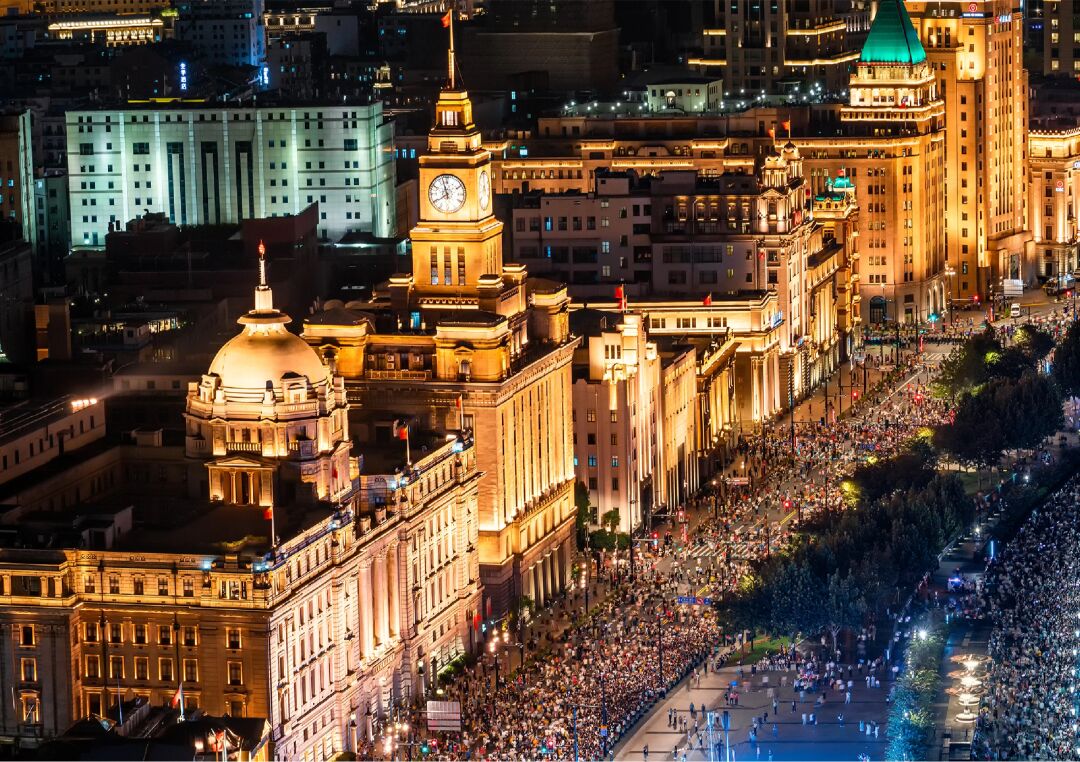
The Bund is the classic starting point for a first visit to Shanghai.
Running along the western bank of the Huangpu River, the waterfront is famous for its historic architecture and extraordinary views across the river toward Pudong.
From here, you can see some of Shanghai's most recognizable skyscrapers, including:
Oriental Pearl Tower
Shanghai Tower
Shanghai World Financial Center
Jin Mao Tower
The Bund is worth visiting at different times of day.
Morning offers a calmer atmosphere.
Late afternoon reveals the changing light across the river.
After dark, Shanghai's illuminated skyline creates one of the most memorable city views in China.
2. Pudong & Lujiazui
Cross the Huangpu River and you enter a completely different Shanghai.
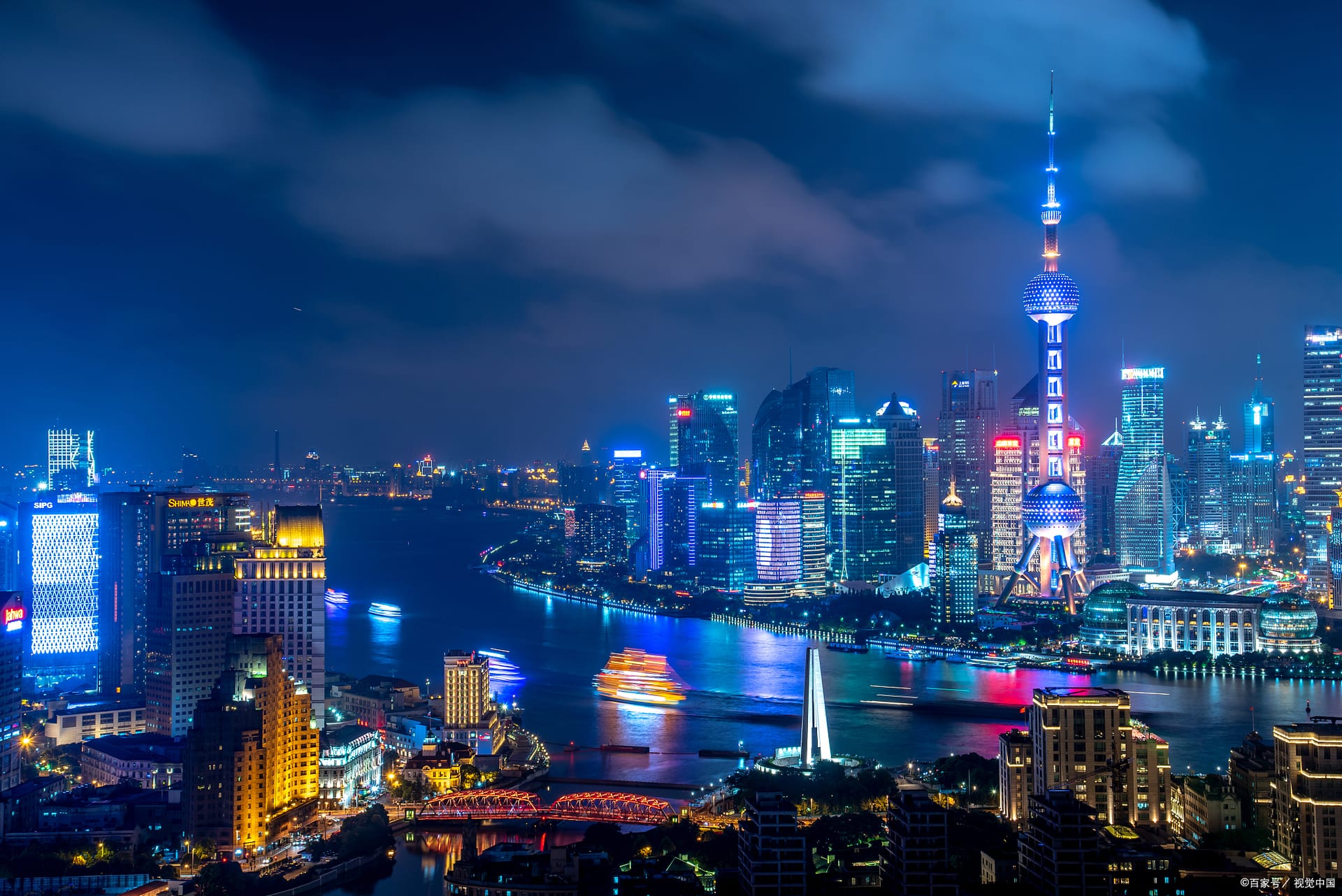
Lujiazui, in Pudong, is the city's famous financial district and home to some of China's tallest and most recognizable skyscrapers.
Walking among these towers gives you a sense of the scale of modern Shanghai.
For panoramic city views, visitors can choose from several observation experiences in the area's skyscrapers.
Looking down from above also reveals something that can be difficult to appreciate at street level:
Shanghai is enormous.
The city stretches far beyond the famous skyline visible from the Bund.
3. Yu Garden & Shanghai Old City
For a completely different atmosphere, visit Yu Garden and the surrounding Old City area.
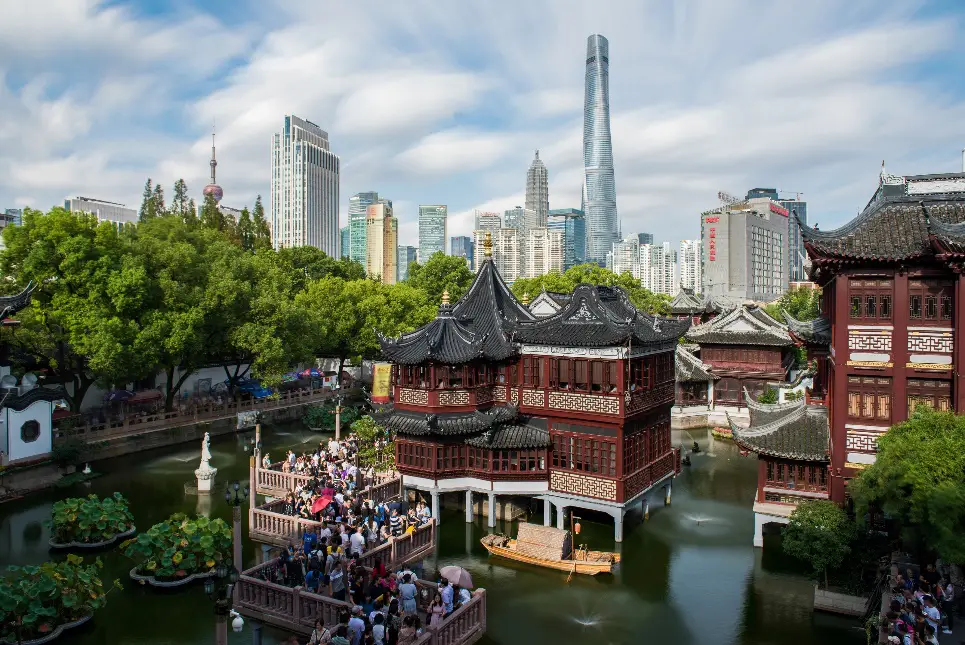
Yu Garden is a classical Chinese garden known for traditional pavilions, ponds, rockeries, corridors and carefully designed landscapes.
The surrounding area is lively, with traditional-style architecture, shops, snacks and restaurants.
Although parts of the district can be busy and commercial, the garden itself provides an opportunity to experience traditional Chinese landscape design in the middle of modern Shanghai.
Visiting the Bund and Yu Garden on the same day is also an excellent way to experience two very different sides of the city.
4. Former French Concession
If you want to understand why so many travelers enjoy simply walking around Shanghai, spend time exploring the Former French Concession.
The area is known for:
Tree-lined streets
Historic villas
Cafés
Restaurants
Boutiques
Small galleries
Quiet residential lanes
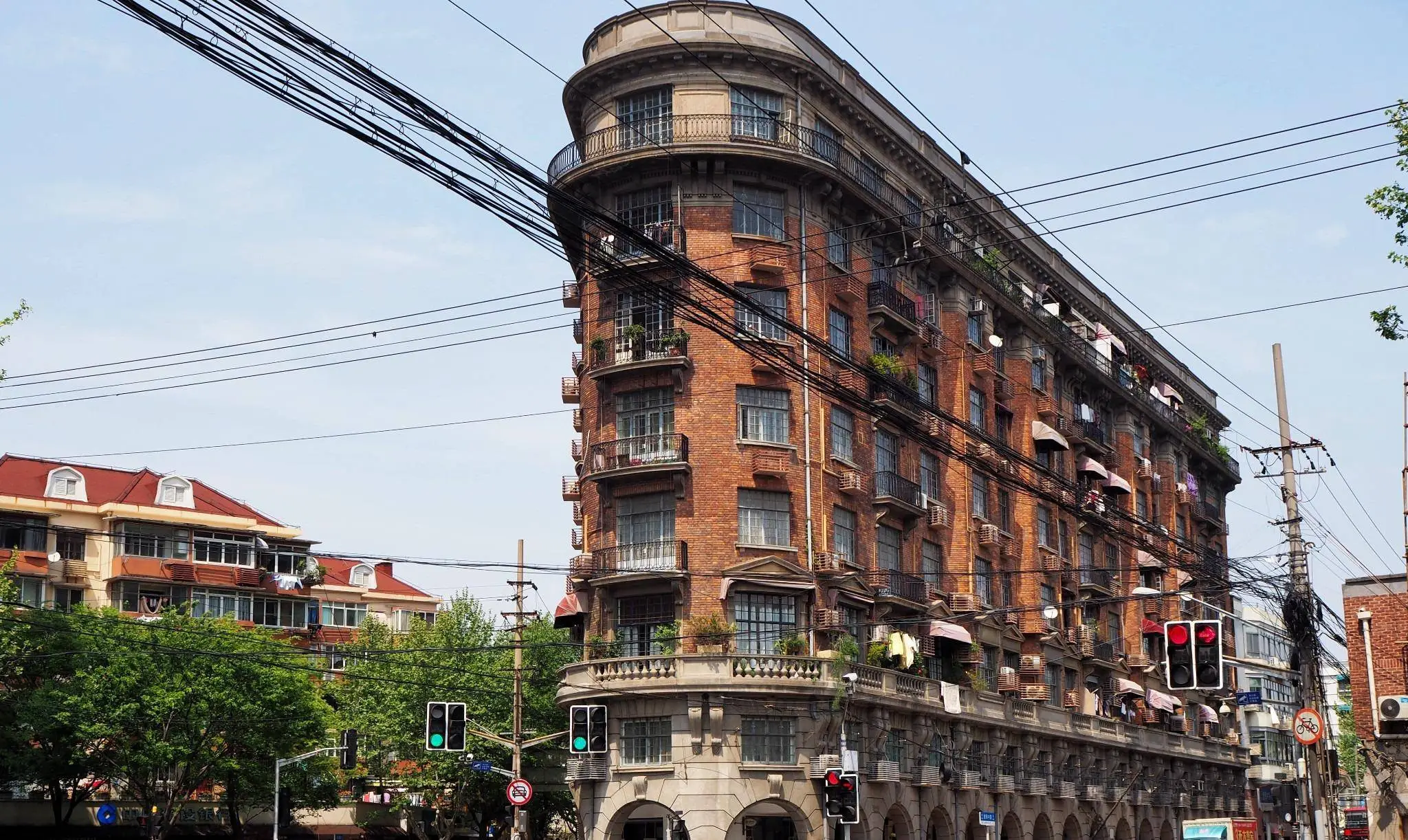
Unlike Shanghai's monumental attractions, the appeal here is often found in the streets themselves.
Take your time.
Stop for coffee.
Explore side streets.
Notice the architecture.
This is one of the best areas for experiencing Shanghai at a slower pace.
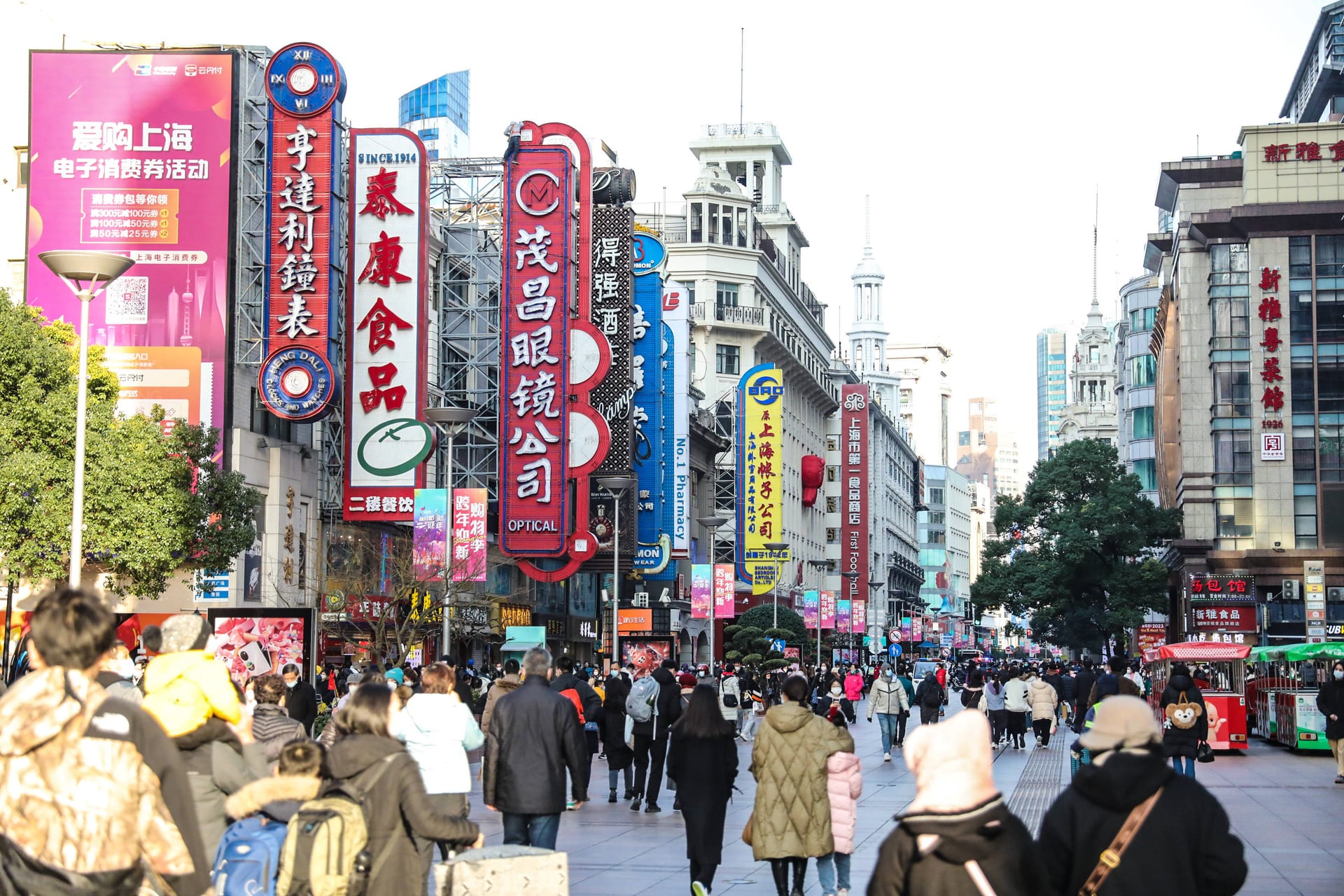
5. Nanjing Road
Nanjing Road is one of Shanghai's best-known commercial streets.
The pedestrian sections are filled with shopping centers, established local brands, restaurants and crowds moving toward the Bund.
For visitors interested in shopping and modern city life, it is an easy area to include in a central Shanghai itinerary.
In the evening, illuminated signs and busy streets create a very different atmosphere from the quieter historic neighborhoods.
Shanghai at Night
Shanghai changes dramatically after sunset.
Skyscrapers illuminate across Pudong, historic buildings glow along the Bund, and reflections appear across the Huangpu River.
Some of the best ways to experience Shanghai at night include:
Walking along the Bund
Viewing Pudong from across the river
Exploring Lujiazui
Taking an evening Huangpu River cruise
Visiting a rooftop or observation deck
Walking through central Shanghai after dinner
If you only visit the Bund during the day, it is worth returning after dark.
Shanghai's night skyline is an important part of the city's identity.
Shanghai Food
What Should You Eat?
Shanghai cuisine is generally different from the fiery flavors associated with Sichuan and Chongqing.
Traditional local cooking often emphasizes fresh ingredients, rich sauces and slightly sweeter flavors.
There are several dishes and snacks worth trying.
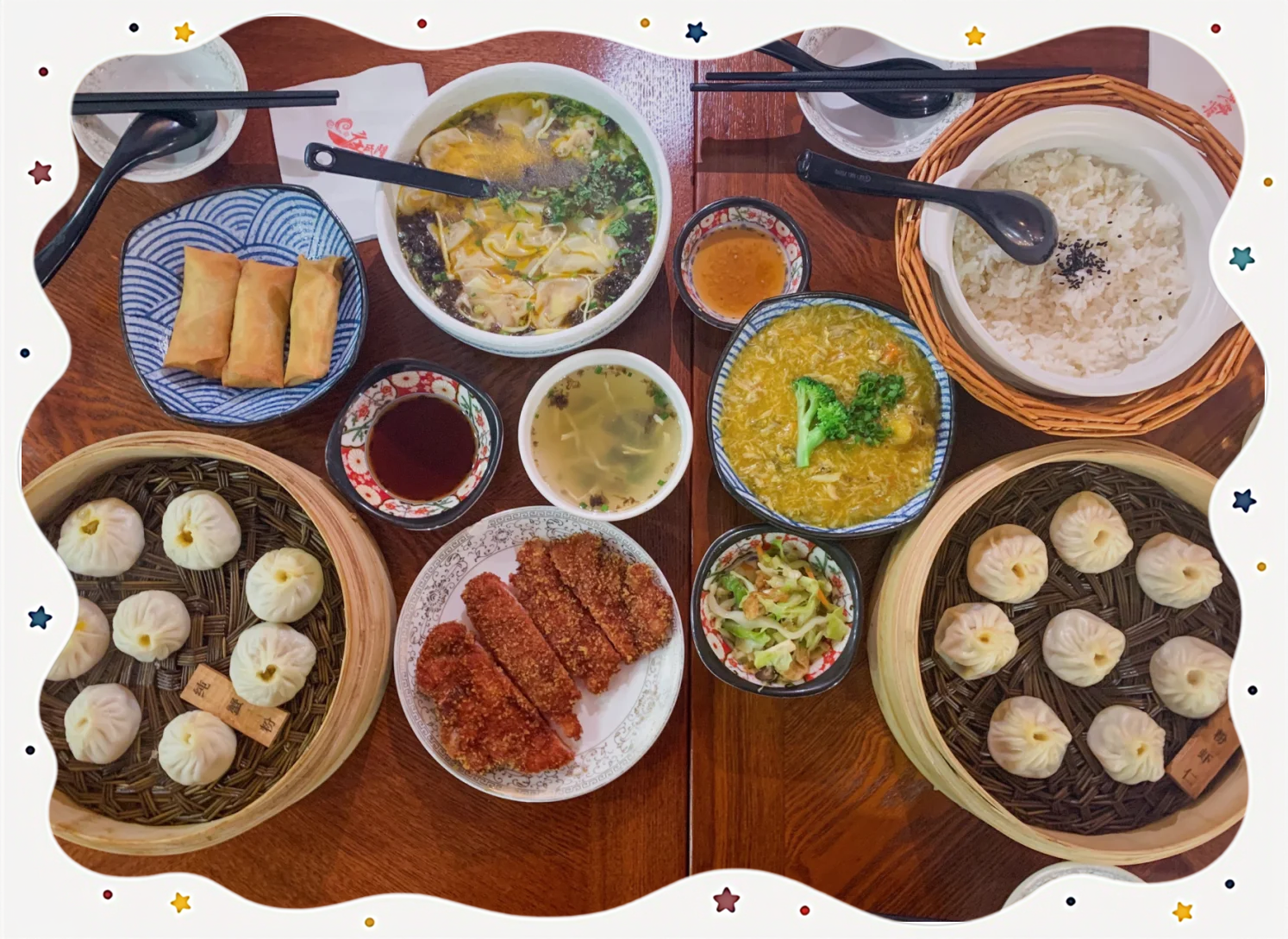
Xiaolongbao
Perhaps Shanghai's most famous food.
These delicate steamed dumplings contain meat and hot broth inside a thin wrapper.
Eat them carefully—the soup inside can be very hot.
Shengjianbao
Pan-fried buns with a crispy bottom and juicy filling.
They are one of Shanghai's classic breakfast or snack foods.
Scallion Oil Noodles
A simple but deeply satisfying local noodle dish flavored with scallion oil and soy-based seasoning.
Shanghai-Style Braised Pork
Rich, savory and slightly sweet, this is a classic example of traditional Shanghai flavors.
Local Breakfast
If you want a more everyday experience, explore local breakfast shops rather than eating every meal inside major shopping districts.
Food is one of the easiest ways to move beyond Shanghai's polished international image and experience a more local side of the city.
Explore Shanghai's Neighborhoods
Shanghai becomes more interesting when you stop thinking only in terms of famous attractions.
Leave some time to walk.
Explore residential lanes.
Visit a neighborhood café.
Walk through a local market.
Look at the mixture of architectural styles.
Some of the city's most memorable experiences may happen between the places you originally planned to visit.
Areas around the Former French Concession and other historic central neighborhoods are particularly suitable for this slower style of exploration.
Zhujiajiao & Shanghai Water Towns
If you have an additional day, consider visiting a traditional water town outside central Shanghai.
One of the most accessible options is Zhujiajiao.
Known for canals, stone bridges, narrow lanes and traditional buildings, the town offers a completely different atmosphere from central Shanghai.
A water-town visit can be especially useful for travelers who want to experience traditional Jiangnan scenery without adding another major city to the itinerary.
However, Shanghai is also extremely well connected with Suzhou and Hangzhou, which can offer a deeper experience of the wider Jiangnan region.
How Many Days Do You Need in Shanghai?
For most first-time visitors, 3–4 days is a good amount of time.
This gives you enough time to see the major landmarks while still leaving space to explore neighborhoods and enjoy the city at a comfortable pace.
Suggested 4-Day Shanghai Itinerary
Day 1 — Classic Shanghai
Arrive in Shanghai → The Bund → Nanjing Road → Shanghai skyline at night
Day 2 — Old & New Shanghai
Yu Garden → Old City → Local lunch → Lujiazui → Pudong skyline → Evening river views
Day 3 — Local Shanghai
Former French Concession → Historic streets → Cafés and neighborhoods → Shanghai food experience
Day 4 — Day Trip or More Shanghai
Zhujiajiao Water Town, Suzhou or additional Shanghai exploration → Departure or continue to your next destination
If Shanghai is simply the arrival or departure point of a longer China journey, two full days can cover the major highlights.
But three or four days will provide a much better sense of the city.
Best Time to Visit Shanghai
Shanghai has four distinct seasons.
Spring — March to May
Spring is one of the most pleasant periods for exploring the city.
Temperatures are generally comfortable for walking, parks and neighborhood exploration.
Summer — June to August
Summer can be hot and humid.
This is also a busy travel period, so plan outdoor sightseeing around the heat where possible.
Autumn — September to November
Autumn is another excellent season for Shanghai.
Comfortable temperatures make it particularly suitable for walking along the Bund and exploring historic neighborhoods.
Winter — December to February
Winter is cooler and can feel damp.
However, the city remains active throughout the year, and winter can be a good time for museums, restaurants, shopping and urban sightseeing.
For many first-time visitors, spring and autumn are especially comfortable seasons for Shanghai.
How to Get to Shanghai
Shanghai is one of China's most important international transportation gateways.
The city is served by two major airports:
Shanghai Pudong International Airport (PVG)
The primary hub for many international flights.
Shanghai Hongqiao International Airport (SHA)
Conveniently located closer to central Shanghai and closely connected with the Hongqiao high-speed railway hub.
Shanghai also has excellent high-speed rail connections with cities across China.
Popular routes include:
Shanghai → Suzhou
Shanghai → Hangzhou
Shanghai → Beijing
Shanghai → Nanjing
For international travelers planning a multi-city China journey, Shanghai is often one of the easiest places to begin or end the trip.
Shanghai Travel Tips
Stay Near Convenient Transportation
Shanghai is enormous.
Choosing a hotel with easy metro access can save considerable travel time.
For first-time visitors, staying within reasonable reach of the Bund, People's Square or other central transport areas can make sightseeing easier.
Experience the Bund Twice
If possible, visit once during daylight and once after dark.
The atmosphere changes completely.
Don't Spend All Your Time in Pudong
The skyline is spectacular, but Shanghai's character is also found in its older neighborhoods, traditional streets and local restaurants.
Use the Metro
Shanghai's extensive metro system is one of the most practical ways to move around the city.
Allow Time to Walk
Some areas are best experienced on foot, particularly the Bund and historic central neighborhoods.
Avoid Overpacking Your Schedule
Shanghai looks easy to navigate on a map, but distances can be substantial.
Three thoughtfully chosen areas in one day can often be more enjoyable than rushing between six attractions.
Shanghai + Suzhou + Hangzhou
Discover the Jiangnan Region
Shanghai can be the starting point for a completely different style of China itinerary.
Nearby Suzhou is famous for classical gardens, canals and traditional Jiangnan culture.
Hangzhou is known for West Lake, tea culture and scenic landscapes.
Together, they create an excellent regional journey:
Shanghai → Suzhou → Hangzhou
This combination allows travelers to experience:
Shanghai
Modern China, architecture, food and international city life.
Suzhou
Classical gardens, canals and traditional elegance.
Hangzhou
West Lake, tea culture and natural scenery.
For travelers who want to see more than China's major megacities, this is one of the most natural extensions from Shanghai.
Shanghai as the Beginning or End of Your China Journey
Shanghai works particularly well as part of a larger China itinerary.
For a first trip, you could combine it with historical destinations:
Beijing → Xi'an → Shanghai
For a journey combining history, food and modern cities:
Beijing → Xi'an → Chengdu → Shanghai
For travelers interested in dramatic landscapes:
Shanghai → Zhangjiajie → Chongqing → Chengdu
Or explore eastern China through:
Shanghai → Suzhou → Hangzhou
The right route depends on how many days you have and what you want to experience.
China is too large to see everything in one trip, so choosing a logical sequence of destinations can make the journey significantly more enjoyable.
Plan Your Shanghai Journey
Shanghai is often described as China's most modern city, but that description only tells part of the story.
The real Shanghai appears in its contrasts.
Historic buildings facing futuristic skyscrapers.
Traditional gardens surrounded by modern neighborhoods.
Quiet tree-lined streets only a short distance from some of China's busiest commercial districts.
Local dumpling shops beneath towers of glass and steel.
Give Shanghai enough time and you will discover a city that is not simply about looking toward the future—it is also shaped by layers of history, culture and everyday local life.
SEEK CHINA TRAVEL (SCT) creates customized China journeys for international visitors, including private and small-group travel, professional local guides, transportation, accommodation and multi-destination itinerary planning.
Whether Shanghai is your first stop in China, your final destination before flying home, or part of a longer journey through Beijing, Xi'an, Chengdu, Chongqing, Zhangjiajie, Suzhou and Hangzhou, we can help design an itinerary around your travel dates, interests and preferred pace.
Discover Shanghai. See where China's past and future meet.