DISCOVER YUNNAN
Why visit Yunnan?
Yunnan's greatest strength is variety.
Within one trip, travelers can move from modern cities to ancient towns, lakeside villages, subtropical landscapes and high-altitude mountain regions.
The province is also home to many of China's officially recognized ethnic groups, including communities with distinctive languages, clothing, architecture, food and traditions.
This combination of geography and culture means that traveling through Yunnan often feels like visiting several different destinations within a single journey.
Kunming — The Gateway to Yunnan
For many travelers, Kunming is the natural starting point of a Yunnan journey.
The provincial capital is known for its relatively mild climate and has long been associated with the nickname “City of Eternal Spring.”
Kunming itself offers parks, markets, temples and local food, but it is also an important transportation hub for exploring the rest of Yunnan.
Travelers with additional time can visit the Stone Forest, a remarkable karst landscape of towering limestone formations outside the city.

Dali — Mountains, Erhai Lake and a Slower Rhythm
Dali is one of Yunnan's most relaxing destinations.
The historic old town sits between Cangshan Mountain and Erhai Lake, creating a natural setting very different from China's major cities.
Travelers can explore Dali Ancient Town, visit villages around Erhai Lake, cycle or drive along lakeside roads and experience the culture of the local Bai ethnic community.
Rather than filling every hour with sightseeing, Dali is best enjoyed at a slower pace.
Spend time beside the lake, walk through a village, stop at a café or simply watch the mountains change as the light moves across the landscape.

Lijiang Ancient Town
Lijiang is one of Yunnan's best-known destinations.
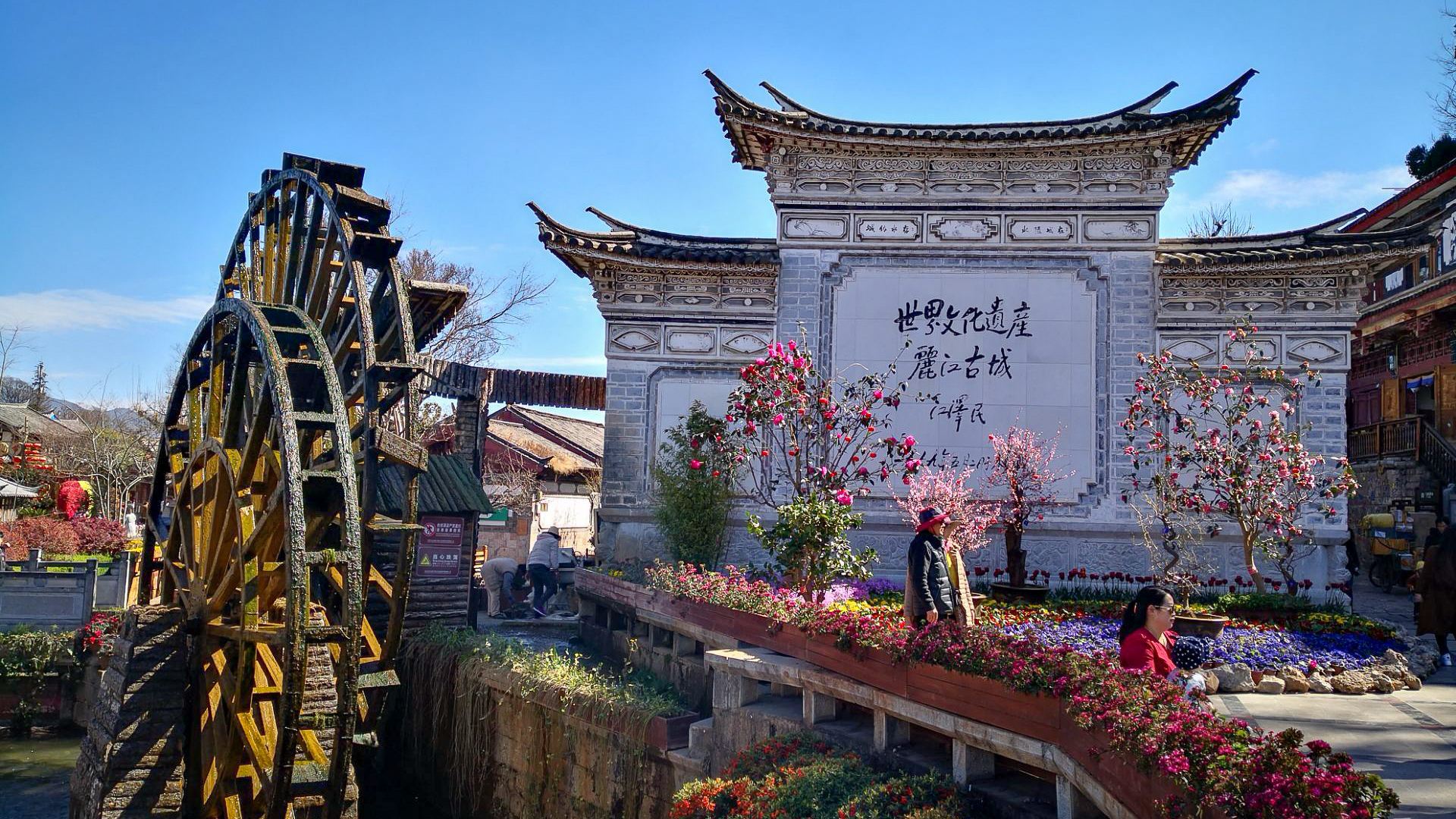
At the heart of the city is Lijiang Ancient Town, a UNESCO World Heritage Site known for its traditional architecture, canals, stone lanes and cultural connection to the Naxi people.
The old town is particularly atmospheric in the early morning and evening, when the busiest daytime crowds begin to disappear.
Beyond the main commercial streets, quieter lanes and traditional neighborhoods reveal a more peaceful side of Lijiang.
Jade Dragon Snow Mountain
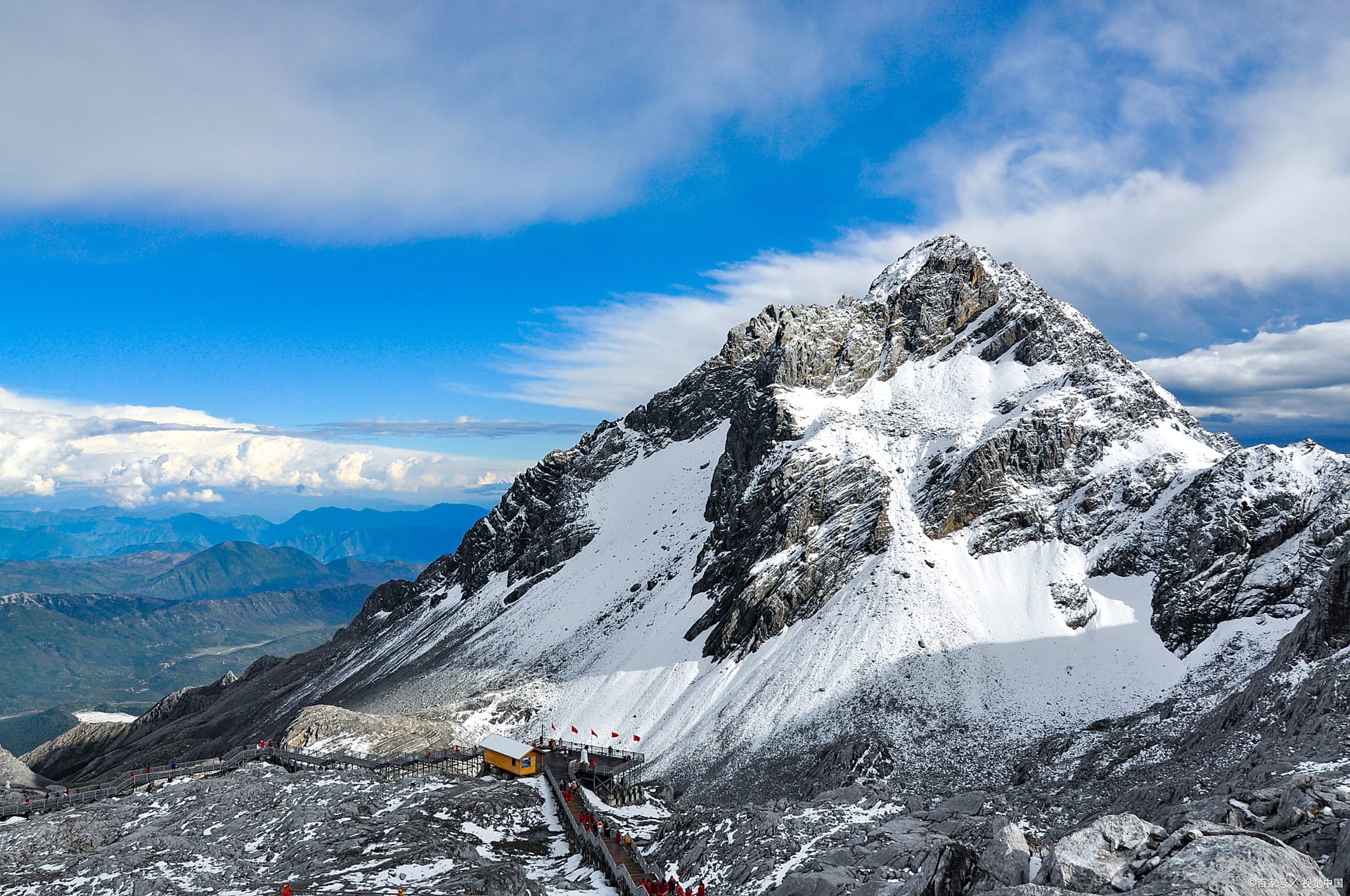
Rising dramatically above the Lijiang region, Jade Dragon Snow Mountain is one of Yunnan's most recognizable natural landmarks.
The mountain range combines snow-covered peaks, alpine landscapes, forests and high-altitude scenery.
Weather conditions can change quickly, and the high elevation means travelers should plan the visit carefully and allow their bodies time to adapt.
For many visitors, seeing the snow mountains rise above the Lijiang landscape becomes one of the defining images of a Yunnan journey.
Tiger Leaping Gorge
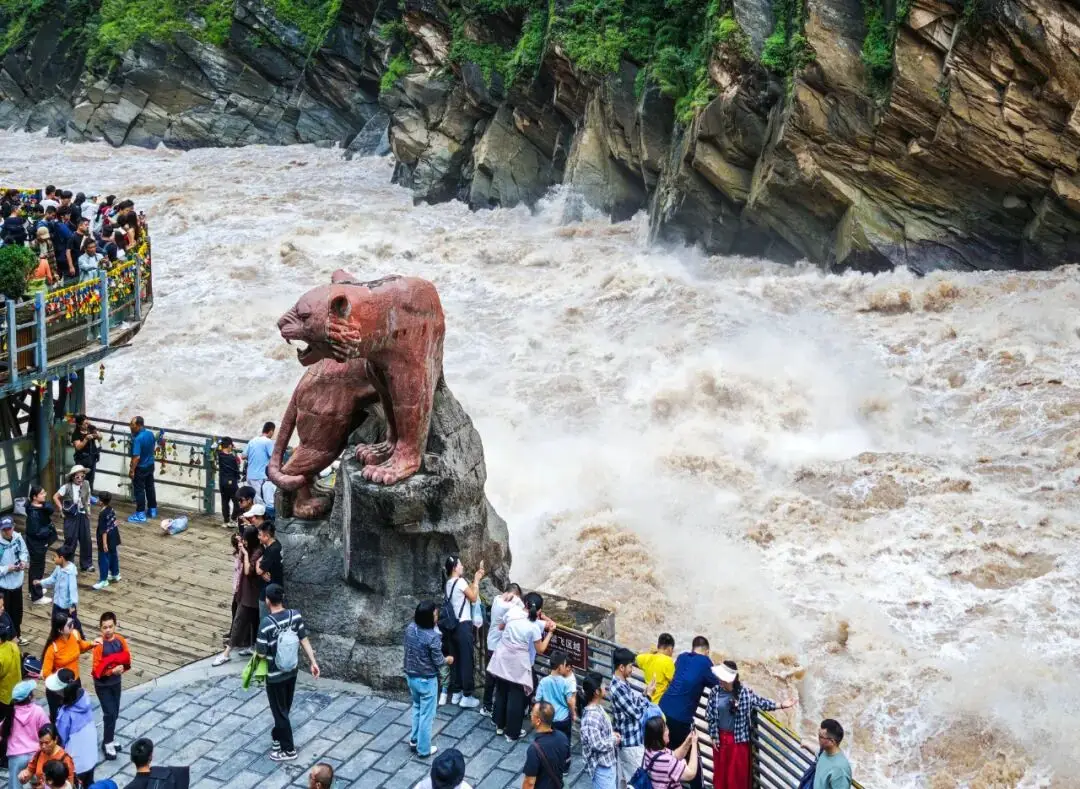
For travelers who enjoy dramatic mountain scenery, Tiger Leaping Gorge is one of Yunnan's great natural experiences.
Carved between high mountains, the gorge is known for its steep cliffs and powerful river below.
The region is particularly popular with hikers, although different sections and routes require different levels of physical ability and preparation.
Even for travelers who do not plan a long trek, the scale of the gorge makes it an impressive addition to a northern Yunnan itinerary.
Shangri-La
Continue north from Lijiang and the journey gradually enters a very different world.
Shangri-La, located at a much higher elevation, introduces travelers to Tibetan cultural traditions, highland grasslands, monasteries and mountain landscapes.
One of the area's most important cultural landmarks is Songzanlin Monastery, while the surrounding region offers lakes, grasslands and traditional villages.
Because of the higher altitude, travelers should avoid rushing the journey and allow time to adjust.

Yunnan's Ethnic Cultures
One of the most fascinating parts of traveling in Yunnan is its cultural diversity.
The province is home to many ethnic communities, including Bai, Naxi, Dai, Yi, Tibetan, Hani and others.
Their traditions can be seen in architecture, clothing, festivals, music, food and village life.
For international travelers, these cultural experiences can provide a deeper understanding of how diverse China really is.
It is important, however, to approach local communities respectfully and remember that these traditions are part of living cultures rather than simply tourist performances.
Yunnan Food
Yunnan's geography and cultural diversity have created one of China's most distinctive regional cuisines.
The food changes as you travel through the province.
Some dishes worth trying include:
Crossing-the-Bridge Rice Noodles — one of Yunnan's best-known dishes.
Wild Mushroom Cuisine — Yunnan is famous for its extraordinary variety of edible mushrooms, although they should always be prepared by experienced restaurants.
Dali Bai Cuisine — local dishes influenced by Bai culinary traditions.
Naxi Cuisine — traditional flavors associated with the Lijiang region.
Yunnan Coffee — the province is also one of China's major coffee-producing regions.
Food is another way to experience how dramatically Yunnan changes from one region to another.

How Many Days Do You Need in Yunnan?
Unlike a single-city destination, Yunnan deserves more time.
For a first visit, 7 to 10 days provides a good introduction to the classic Kunming–Dali–Lijiang route, while 10 to 14 days allows travelers to continue toward Shangri-La and explore at a more relaxed pace.
A possible itinerary is:
Day 1 — Arrive in Kunming
Airport transfer → Hotel check-in → Explore Kunming.
Day 2 — Kunming / Stone Forest
Stone Forest or local cultural experiences → Continue toward Dali.
Day 3 — Dali
Dali Ancient Town → Local culture → Cangshan and Erhai views.
Day 4 — Erhai Lake
Lakeside villages → Cycling or scenic drive → Relaxed Dali experience.
Day 5 — Dali to Lijiang
Travel to Lijiang → Ancient Town → Evening exploration.
Day 6 — Jade Dragon Snow Mountain
Snow mountain scenery → Lijiang region.
Day 7 — Lijiang & Local Culture
Traditional neighborhoods → Naxi culture → Free time.
Day 8 — Tiger Leaping Gorge
Travel through northern Yunnan → Tiger Leaping Gorge → Continue toward Shangri-La.
Day 9 — Shangri-La
Songzanlin Monastery → Tibetan cultural experiences → Highland scenery.
Day 10 — Shangri-La / Departure or Continue Your Journey
Travelers with less time can focus on Dali + Lijiang, while those with more time can extend the journey into other regions of Yunnan.
Best Time to Visit Yunnan
Because Yunnan covers a large area with significant differences in elevation, there is no single “perfect” season for the entire province.
Spring (March–May) is a popular period for mild weather, flowers and outdoor travel.
Summer (June–August) brings lush landscapes but also more rainfall in many regions.
Autumn (September–November) often offers comfortable temperatures and is an excellent season for Dali, Lijiang and northern Yunnan.
Winter (December–February) can be pleasant in lower-elevation areas, while high-altitude destinations may become much colder.
Always check conditions for the specific destinations on your itinerary rather than relying on a single Yunnan-wide forecast.

How to Get to Yunnan
Kunming is the province's main transportation hub and a common entry point for international and domestic travelers.
From Kunming, China's railway and domestic air networks connect travelers with other parts of the province.
Travelers can also enter Yunnan through destinations such as Dali or Lijiang, depending on flight and rail arrangements.
Because distances within Yunnan can be considerable, route planning is especially important.
Rather than repeatedly returning to the same city, a well-designed itinerary usually moves in one direction — for example:
Kunming → Dali → Lijiang → Shangri-La
This makes the journey more efficient and allows the landscape to change naturally as you travel north.
Yunnan Travel Tips
Don't try to see all of Yunnan in one short trip.
The province is enormous. Choose one region or a logical route and explore it properly.
Allow time to adapt to altitude.
Destinations such as Shangri-La and some mountain areas are significantly higher than Kunming or Dali.
Pack for changing temperatures.
Weather can vary considerably between valleys, cities and high-altitude areas.
Respect local cultures.
Ask before photographing people and follow local customs when visiting villages, monasteries and religious sites.
Plan transportation carefully.
Distances can be long, so hotels and transportation should be planned together with the route.

Yunnan + Chengdu: A Journey Through Southwest China
For travelers with more time, Yunnan and Chengdu can form part of a longer journey through southwestern China.
Yunnan offers ancient towns, lakes, snow mountains and extraordinary cultural diversity.
Chengdu adds giant pandas, Sichuan cuisine, teahouse culture and access to another collection of western China's natural landscapes.
Together, they reveal how diverse southwestern China can be.
Plan Your Yunnan Journey
Yunnan is not a destination you simply visit.
It is a journey that gradually changes around you.
You may begin in the mild climate of Kunming, wake beside Erhai Lake in Dali, walk through the stone lanes of Lijiang, stand beneath Jade Dragon Snow Mountain and eventually find yourself among monasteries and highland grasslands in Shangri-La.
The farther you travel, the more the landscape, altitude, food and culture change.
That sense of discovery is what makes Yunnan special.
SEEK CHINA TRAVEL (SCT) provides customized China travel planning for international visitors, including private and small-group journeys, local guides, transportation, accommodation arrangements and multi-destination itineraries.
Whether Yunnan is the focus of your China journey or part of a longer route through Chengdu, Chongqing, Guilin, Zhangjiajie, Xi'an, Beijing, Shanghai and other destinations, we can help create an itinerary around your interests, available time and travel style.